

2026 Rental Market Predictions: What Landlords Need to Know
January 7, 2026 | by robert@trenven.com
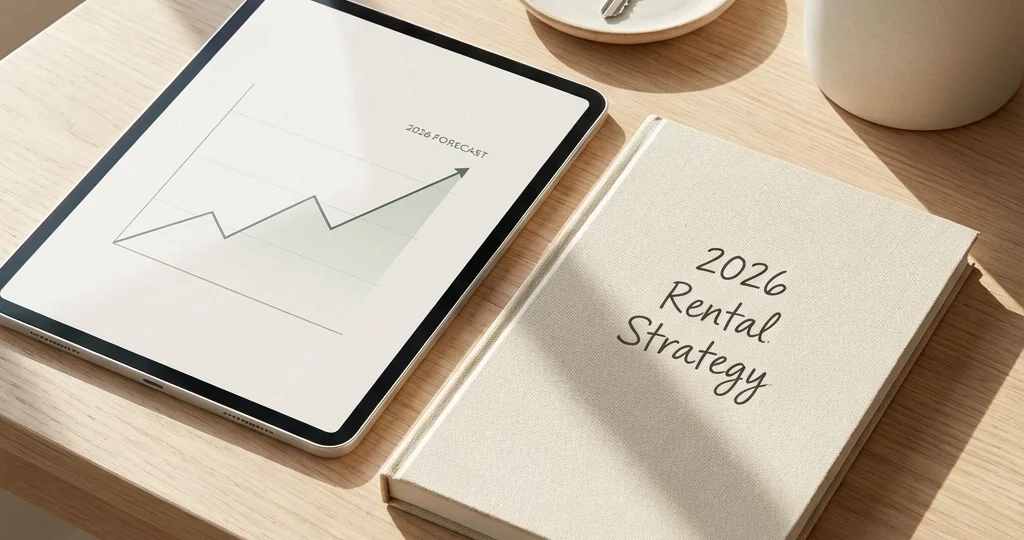
As we dive headfirst into 2026, landlords and property managers are asking the same burning question: What's coming next for the rental market? If you're managing properties or thinking about expanding your portfolio, buckle up: because this year is shaping up to be a game-changer.
The rental landscape is shifting faster than ever, and staying ahead of the curve isn't just smart: it's essential for your bottom line. Let's break down exactly what you need to know to dominate the 2026 rental market.
The Big Picture: A Tale of Two Markets
Here's the reality check: 2026 rental predictions are all over the map, and that's actually telling us something important. While Zillow forecasts multifamily rents will crawl up just 0.3% nationally, Redfin is calling for a more robust 2-3% climb by year-end.
Why the disconnect? Because we're witnessing a fundamental shift in how different property types perform. Single-family rentals are the clear winners here, with projected rent increases of 2.3% as homebuyers continue hitting the pause button on purchases.

The bottom line: If you're sitting on single-family properties, you're in the sweet spot. Multifamily operators? Time to get strategic.
Supply vs. Demand: The Numbers Game
The construction pipeline is still pumping out new units like there's no tomorrow, and that's creating some interesting dynamics. Vacancy rates are climbing toward 7.2%: the pre-pandemic normal that many of us forgot existed.
But here's where it gets interesting: Tariffs on construction materials might slam the brakes on new projects, creating a supply crunch that could send rents soaring later in the year. It's a perfect example of why timing is everything in real estate.
What this means for you:
- More negotiating power for tenants in the short term
- Potential rent spikes if construction slows down
- Strategic opportunities for landlords who can weather the transition
Regional Reality Check: Location Still Rules
Forget national averages: the rental market is hyper-local in 2026. While markets like Las Vegas, Atlanta, and Austin are seeing the biggest price drops from their peaks, Southern California is writing its own rules.
The West Coast exception: Los Angeles, Orange County, San Diego, Ventura, and the Inland Empire are forecasted to see rent increases ranging from 1.46% to 3.2% annually. Why? Simple supply and demand math: not enough units for too many people.
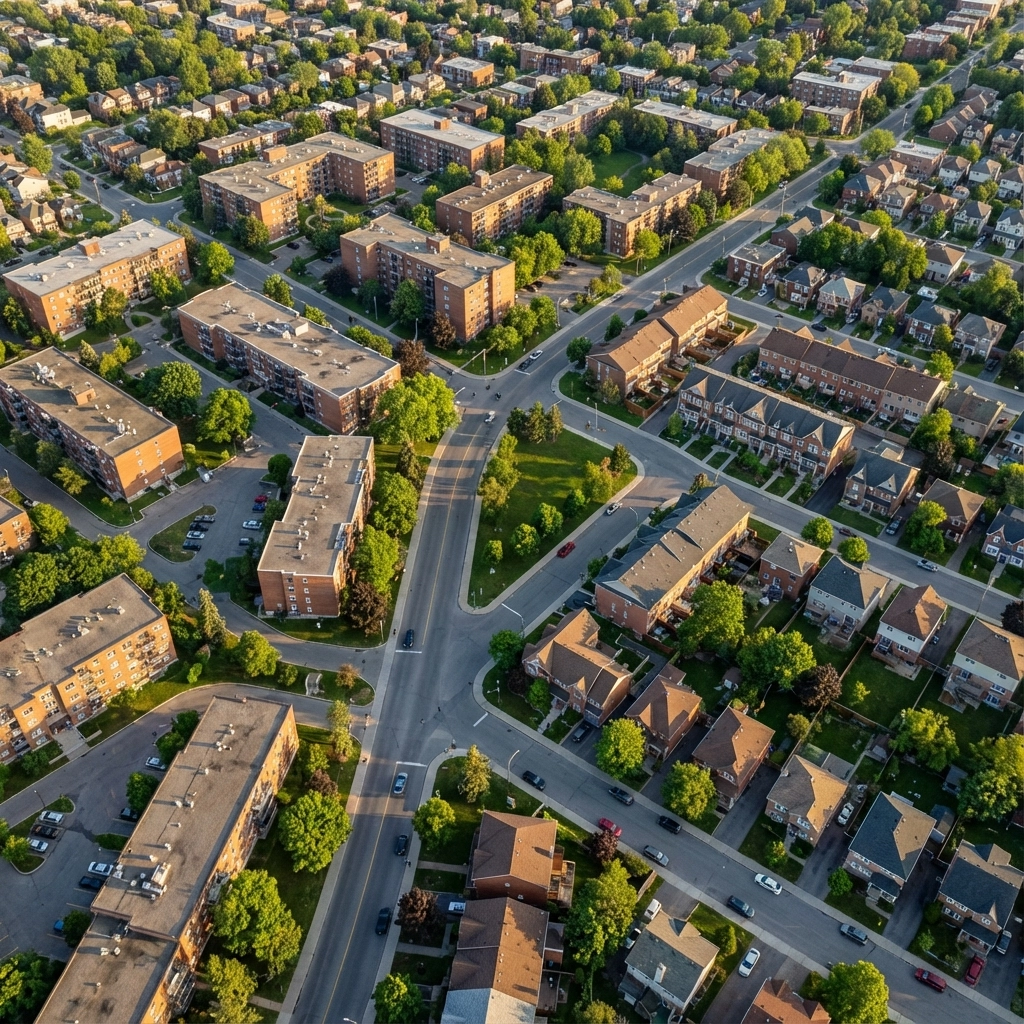
Pro tip: If you're looking to expand, consider markets bucking the national trend. Sometimes swimming upstream pays off big.
The Concession Game: Your Secret Weapon
Here's something most landlords are sleeping on: concession burn-off. After years of offering "two months free" and similar deals to fill units, we're entering a phase where removing these incentives can drive serious rent growth: even if your advertised rents stay flat.
Think about it: If you've been offering a $2,000/month unit at effectively $1,800 with concessions, simply removing that discount is an 11% increase without touching the base rent.
Key strategies:
- Phase out concessions gradually as vacancy rates improve
- Monitor effective vs. advertised rents closely
- Time concession removal with market recovery
Watch Out for the Inversion Trap
Here's a scenario that could catch landlords off guard: inverted rent rolls. This happens when new lease rents fall below renewal rents, flipping the traditional model on its head.
If market softening continues through spring, you might find yourself in the awkward position where keeping existing tenants costs more than attracting new ones. Plan ahead by building flexibility into your renewal strategy.
Tenant Mobility is Surging
Renters are moving more in 2026, and that's both opportunity and challenge. With declining rents in many markets, tenants are more willing to relocate for better deals or upgraded amenities.
The upside: Higher turnover means more opportunities to reset rents to market rates and upgrade units.
The downside: Increased turnover costs and the need for faster leasing cycles.
Technology: Your Competitive Edge
Smart landlords aren't just adapting to market changes: they're using technology to stay ahead of them. Property management software isn't a luxury anymore; it's your competitive advantage.
Essential tech stack for 2026:
- Automated rent collection and late fee processing
- Digital lease signing and tenant communications
- Market analysis tools for pricing optimization
- Maintenance request systems for faster response times

The landlords crushing it in 2026 are the ones who've embraced digital-first operations. While others are still juggling spreadsheets and paper applications, tech-savvy property managers are scaling efficiently and maximizing NOI.
Scenario Planning: Prepare for Anything
Upside scenario: Strong consumer confidence and stable employment keep rental demand solid. Occupancy rebounds by summer, concessions disappear, and rent growth accelerates in Q3-Q4.
Downside scenario: Economic headwinds keep rents flat or falling through 2026. Concessions become sticky, and operators need to focus on operational efficiency rather than rent growth.
The smart move? Prepare for both. Build flexibility into your business model that can capitalize on upside opportunities while protecting downside risk.
Your 2026 Action Plan
Ready to dominate the 2026 rental market? Here's your roadmap:
1. Diversify Your Portfolio Strategy
Focus on single-family rentals and markets with supply constraints. Don't put all your eggs in the multifamily basket.
2. Master the Concession Game
Plan your concession strategy now. Know exactly when and how you'll phase out incentives as markets recover.
3. Embrace Technology
If you're still managing properties with outdated systems, 2026 is your wake-up call. Invest in modern property management software that can scale with your growth.
4. Monitor Leading Indicators
Watch construction permits, employment data, and local market vacancy rates like a hawk. These metrics will tell you where the market's heading before rent rolls reflect it.
5. Build Operational Excellence
In a competitive market, the landlords who win are those who deliver exceptional tenant experiences efficiently. Focus on response times, maintenance quality, and communication.

The Bottom Line
2026 is the year of the prepared landlord. While market uncertainty creates challenges, it also creates massive opportunities for those who adapt quickly and operate efficiently.
The rental market isn't just changing: it's evolving into something smarter, more data-driven, and more tenant-focused. The question isn't whether you'll adapt to these changes, but how quickly you can get ahead of them.
Ready to make 2026 your best year yet? The tools, strategies, and opportunities are all there. The only thing missing is your decision to seize them.
RELATED POSTS
View all


7 Mistakes You're Making with Rental Property Management (and How AI Fixes Them)
October 14, 2025 | by robert@trenven.com

Are Traditional Property Managers Dead? What 25+ Unit Owners Need to Know
October 22, 2025 | by robert@trenven.com
Manual Property Management vs AI Automation: Which Is Better For Your Rental Portfolio?
October 8, 2025 | by robert@trenven.com