

Kickstart Your 2026: 5 New Year's Resolutions for Property Owners
January 9, 2026 | by robert@trenven.com
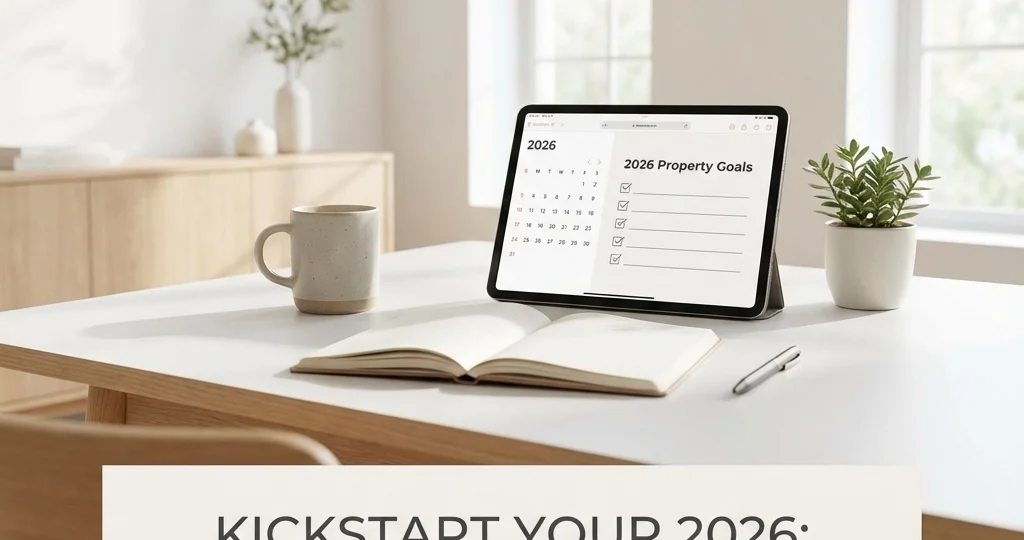
The calendar has flipped to 2026, and if you're like most property owners, you're probably thinking about what this new year could mean for your real estate investments. Whether you manage a single rental property or oversee an entire portfolio, the start of a new year is the perfect time to set intentions that will boost your property's value, streamline your management processes, and maximize your returns.
This isn't about setting unrealistic goals that you'll abandon by February. These are practical, achievable resolutions that successful property owners are already implementing to stay ahead in today's competitive real estate market.
Resolution #1: Master Your Maintenance with a Digital Calendar System
Gone are the days of sticky notes and forgotten repairs. Creating a comprehensive digital maintenance calendar is your first step toward effortless property management in 2026.
Start by mapping out every maintenance task your property needs throughout the year. HVAC servicing in spring and fall, gutter cleaning before winter, smoke detector battery replacements, and seasonal landscaping all deserve dedicated calendar slots. But here's the game-changer: use property management software to automate these reminders.
Why this matters: Preventive maintenance costs 50% less than emergency repairs. A burst pipe that could have been prevented with annual plumbing inspections can cost thousands in damages and lost rental income.

Action steps for this month:
- Audit your current maintenance needs
- Set up digital reminders for quarterly, bi-annual, and annual tasks
- Research local contractors and add their contact information to your system
- Schedule your first quarter maintenance appointments now
The most successful property owners treat maintenance like a business operation, not a reactive scramble. When you're proactive, tenants stay happy, your property retains its value, and you sleep better at night knowing everything is handled.
Resolution #2: Build Your Property Emergency Fund Like a Pro
Every property owner needs a dedicated emergency fund, and 2026 is the year you finally build one properly. Financial experts recommend setting aside 1-2% of your property's value annually, but even starting with $100 per month creates a crucial safety net.
Think about it: when was the last time you faced an unexpected repair? Water heater failure, roof damage from storms, or electrical issues don't wait for convenient timing or flush bank accounts. Property emergencies happen, and they're expensive.
Smart funding strategies:
- Automate transfers from your rental income directly into a high-yield savings account
- Set aside security deposit returns when tenants move out cleanly
- Use a portion of rent increases to build this fund faster
- Consider opening a separate business account specifically for property emergencies
Real-world impact: Property owners with emergency funds report 40% less financial stress and can address repairs immediately, preventing tenant turnover and maintaining property value.
Start small if needed, but start consistently. Even $50 per month grows into meaningful protection over time.
Resolution #3: Embrace the "Fix It Fast" Philosophy
Successful property owners follow a simple rule: address small issues within 7 days of discovery. This isn't just about tenant satisfaction: though happy tenants definitely stay longer and cause fewer problems. It's about preventing minor issues from becoming major expenses.
That small water stain on the ceiling? It could indicate a roof leak that will cause thousands in damage if ignored. The loose bathroom tile? It might let water seep behind the wall, creating mold problems and structural issues.

Build your rapid response toolkit:
- Keep basic repair supplies on hand: caulk, touch-up paint, screws, weatherstripping
- Maintain relationships with reliable contractors for bigger jobs
- Use property management apps to track and prioritize repair requests
- Take photos of completed repairs for your records and insurance claims
Pro tip: Many property management software platforms now include maintenance request systems that let tenants report issues directly through an app. This creates a paper trail, helps you respond faster, and shows tenants you're professional and responsive.
The "fix it fast" mindset transforms you from a reactive property owner to a proactive real estate professional.
Resolution #4: Make One Strategic Value-Boosting Investment
Instead of spreading your improvement budget thin across multiple small projects, focus on one meaningful upgrade that delivers real ROI in 2026.
Market data shows that certain improvements consistently deliver strong returns:
- Landscaping improvements: Can increase property value by 10-30%
- New garage doors: Often recoup 90-100% of investment costs
- Outdoor living spaces: Patios, decks, and fire pits are huge draws for tenants
- Energy-efficient upgrades: Smart thermostats, LED lighting, and improved insulation attract quality tenants
- Fresh interior paint: The highest ROI improvement, often returning 200-300% of investment
How to choose your 2026 investment:
- Survey current market trends in your area
- Ask tenants what amenities they value most
- Research which improvements your competition is making
- Calculate potential rent increases from each upgrade option
Don't just pick the cheapest option or the one you personally prefer. Choose the improvement that aligns with your tenant demographics and local market demands.

Resolution #5: Know Your Property's True Market Value
The most informed property owners regularly assess their property's current market value, even when they're not planning to sell. Market conditions shift, neighborhood dynamics evolve, and your improvements add value over time.
Understanding your property's worth helps you:
- Set competitive rental rates that maximize income
- Make informed decisions about improvement investments
- Adjust insurance coverage appropriately
- Plan for future portfolio expansion
- Negotiate from a position of knowledge with contractors and service providers
Methods for tracking property value:
- Use online valuation tools like Zillow or Redfin for quick estimates
- Review comparable sales in your neighborhood quarterly
- Consider annual professional appraisals for high-value properties
- Track local market trends through real estate reports
- Monitor rental rates for similar properties in your area
Key insight: Property owners who actively monitor their property values report making better financial decisions and achieving 15% higher returns on their investments compared to those who remain passive.
This knowledge becomes particularly valuable when market conditions change rapidly, as they have in recent years.
Setting Yourself Up for Success in 2026
These five resolutions work together to create a comprehensive approach to property ownership that reduces stress, increases profitability, and builds long-term wealth. The key is consistency: small, regular actions compound into significant results over time.
Your next steps:
- Choose which resolution feels most urgent for your current situation
- Set specific, measurable goals for each resolution
- Use technology and automation wherever possible
- Track your progress monthly to maintain momentum
- Celebrate small wins along the way
Remember, successful property ownership isn't about perfection: it's about continuous improvement and smart systems. Start with one resolution this week, and build momentum from there.
The property owners who thrive in 2026 will be those who embrace proactive management, strategic investments, and data-driven decisions. Make this the year you transform from a reactive property owner into a strategic real estate professional.
Ready to streamline your property management processes? Trenven offers modern solutions that automate many of these resolutions, helping property owners save time and increase profitability.
Blog Post 2 – Thursday
2026 Property Management Trends: What Smart Landlords Are Planning Now
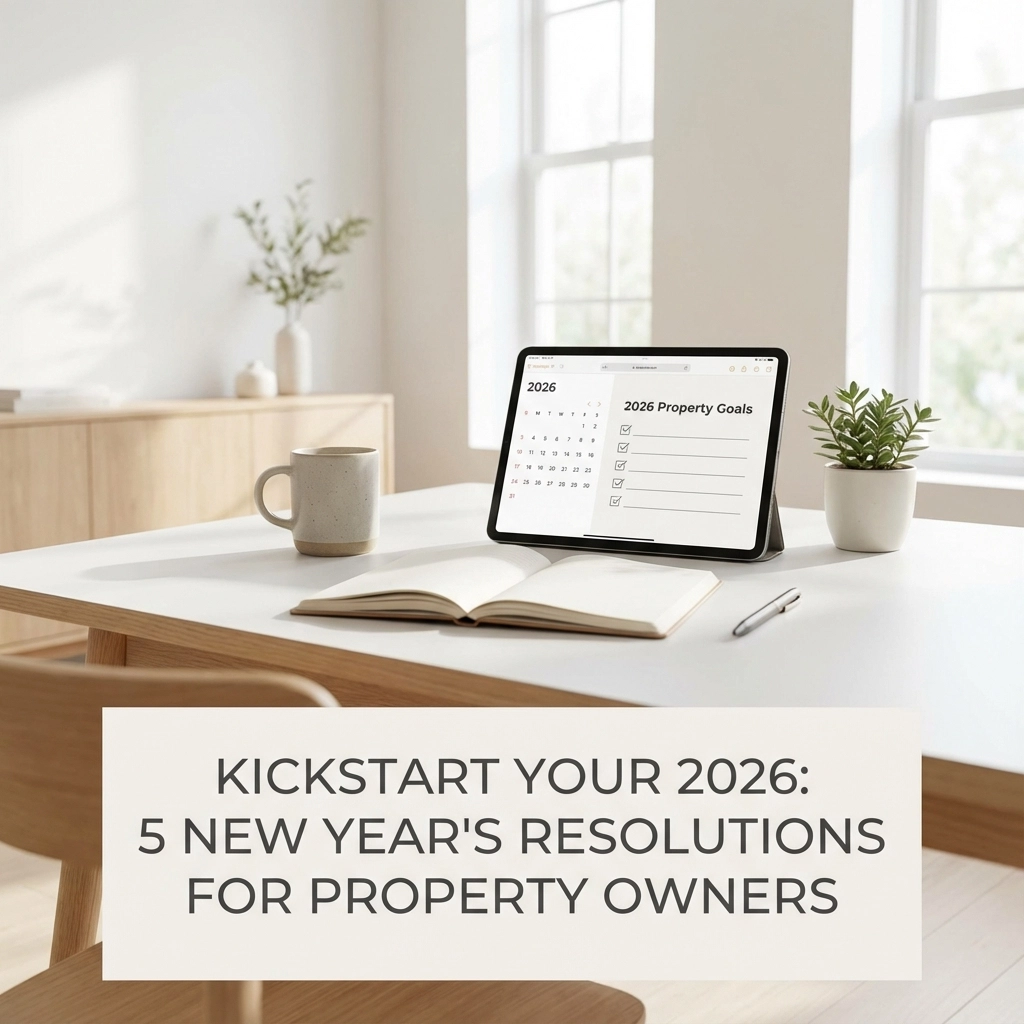
The property management landscape is evolving faster than ever, and 2026 promises to bring changes that will separate successful landlords from those stuck in outdated practices. Smart property owners are already adapting to emerging trends, implementing new technologies, and positioning themselves for success in the months ahead.
If you want to stay competitive, increase your rental income, and attract quality tenants, understanding these trends isn't optional: it's essential for your success.
The Rise of Tenant Experience Platforms
Tenant expectations have fundamentally shifted, and property owners who ignore this do so at their own peril. Today's renters expect the same seamless digital experience they get from every other service in their lives.
Modern tenants want to submit maintenance requests through apps, pay rent online with flexible options, and communicate with their landlords through convenient digital channels. Properties that offer outdated payment methods or require phone calls for basic requests are losing quality tenants to more tech-savvy competitors.
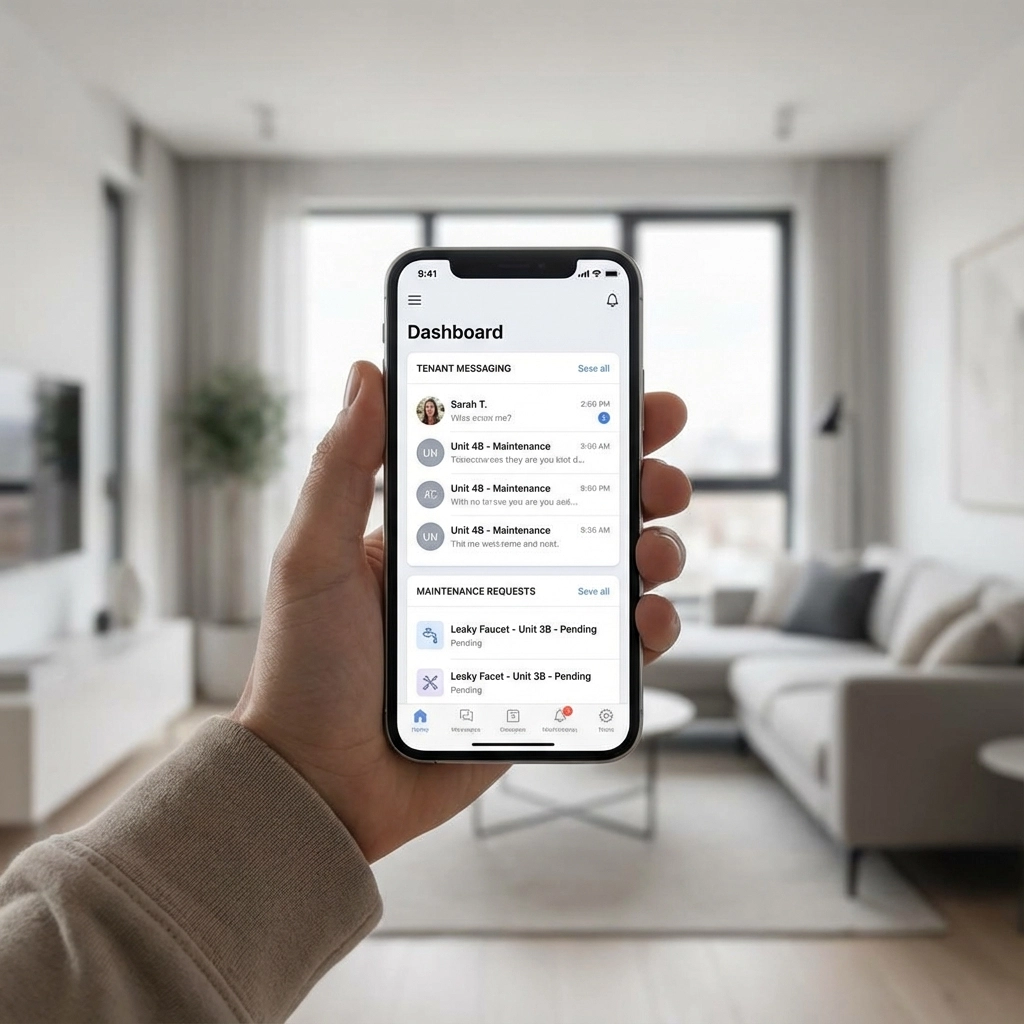
What leading landlords are implementing:
- Mobile-first property management platforms that handle everything from applications to move-out
- Automated rent collection with multiple payment options including digital wallets
- Instant maintenance request systems with photo uploads and progress tracking
- Digital lease signing and document management
- Tenant portals with 24/7 access to account information and property resources
The impact: Landlords using comprehensive tenant experience platforms report 25% higher tenant retention rates and 40% faster rent collection compared to those using traditional methods.
This isn't just about keeping up with technology: it's about creating a professional experience that attracts and retains the tenants you actually want.
Smart Home Integration Becomes Standard
In 2026, smart home features aren't luxury amenities: they're baseline expectations for quality rentals. The most successful property owners are strategically implementing smart home technologies that benefit both tenants and their bottom line.
High-ROI smart home upgrades:
- Smart thermostats that reduce energy costs and allow remote temperature management
- Smart locks that eliminate key management and provide secure access for maintenance
- Smart smoke and carbon monoxide detectors with remote monitoring capabilities
- Smart water leak detectors that prevent catastrophic damage
- Energy-efficient smart lighting systems with automated controls
Financial benefits for landlords:
- Reduced utility costs in landlord-paid situations
- Lower insurance premiums with smart safety devices
- Decreased lockout service calls with smart access systems
- Preventive maintenance alerts that avoid emergency repairs
- Higher rental rates justified by premium amenities
The key is choosing smart home features that solve real problems rather than just adding gadgets for their own sake.
Sustainability Drives Rental Demand and Property Values
Environmental consciousness isn't just a trend: it's a fundamental shift in how tenants choose where to live. Properties with strong sustainability features command higher rents, attract longer-term tenants, and often qualify for tax incentives and rebates.

Sustainable improvements with strong ROI:
- Energy-efficient appliances that reduce utility costs
- LED lighting throughout the property
- Low-flow water fixtures that decrease water bills
- Improved insulation and window upgrades
- Smart irrigation systems for landscaping
- Solar panels where applicable and cost-effective
- Electric vehicle charging stations in markets with high EV adoption
Market impact: Sustainable rental properties see 12% higher occupancy rates and can command 8-15% premium rents in most markets.
Beyond financial benefits, sustainability improvements often qualify for local tax credits, utility rebates, and may increase your property's resale value significantly.
AI-Powered Property Management Tools Transform Operations
Artificial intelligence isn't science fiction anymore: it's becoming essential infrastructure for efficient property management. Smart landlords are leveraging AI tools to automate routine tasks, make better decisions, and scale their operations without proportionally increasing their workload.
AI applications gaining traction:
- Automated tenant screening that analyzes application data and predicts tenant success
- Dynamic pricing tools that optimize rent rates based on market conditions
- Predictive maintenance systems that identify potential issues before they become emergencies
- Automated marketing that places listings on optimal platforms at the best times
- Chatbots that handle common tenant questions 24/7
- Financial analysis tools that identify profit optimization opportunities
Practical benefits:
- Reduce time spent on repetitive administrative tasks
- Make more objective, data-driven decisions about tenants and improvements
- Identify maintenance issues before they become expensive emergencies
- Optimize rental rates to maximize income while maintaining occupancy
- Scale property management operations without hiring additional staff
The most successful property owners are treating AI as a tool that enhances their decision-making rather than replacement for human judgment.
Flexible Lease Terms Meet Changing Lifestyle Demands
The traditional 12-month lease is losing relevance as tenant lifestyles become more fluid and flexible. Forward-thinking landlords are experimenting with flexible lease structures that attract quality tenants while maintaining stable income streams.

Emerging lease models:
- Month-to-month options with premium pricing for flexibility
- Seasonal leases that accommodate temporary work assignments
- Graduated rent structures that reward long-term tenancy
- Corporate housing agreements for business travelers
- Furnished rental options with premium rates
- Pet-friendly policies with appropriate fees and deposits
Strategic considerations:
- Higher rent rates can offset increased turnover costs
- Flexible options attract higher-quality, professionally mobile tenants
- Corporate clients often pay premium rates for convenience
- Furnished rentals can command 20-40% higher monthly rates
- Pet-friendly policies expand your potential tenant pool significantly
The key is balancing flexibility with profitability: offering options that meet market demand while protecting your investment returns.
Data-Driven Decision Making Becomes Competitive Advantage
Successful property owners in 2026 make decisions based on data, not gut feelings. The availability of market data, tenant analytics, and performance metrics means you can optimize every aspect of your property management strategy.
Critical metrics to track:
- Days on market for vacant units
- Cost per lead for marketing efforts
- Tenant lifetime value and retention rates
- Maintenance costs per unit per year
- ROI on property improvements and upgrades
- Local market rent trends and competitive positioning
- Energy usage and utility cost patterns
Tools for data collection:
- Property management software with built-in analytics
- Market research platforms that track local rental trends
- Financial tracking systems that identify cost optimization opportunities
- Tenant feedback systems that reveal satisfaction patterns
- Energy monitoring tools that identify efficiency improvements
Property owners who consistently use data to guide their decisions report 20-30% higher profitability compared to those who rely on intuition alone.
Preparing Your Property Business for Success
These trends represent fundamental shifts in how property management operates, not temporary fads that will disappear. The most successful landlords are already adapting their strategies to align with these changes.
Your action plan for 2026:
- Evaluate your current tenant experience and identify improvement opportunities
- Research smart home upgrades that make financial sense for your properties
- Consider sustainability improvements that qualify for local rebates or tax credits
- Explore AI-powered tools that can streamline your management processes
- Test flexible lease options in your market
- Implement data tracking systems to guide your decision-making
The property owners who thrive in 2026 will be those who embrace change, invest in the right technologies, and focus on creating exceptional experiences for their tenants.
Start implementing these strategies now, and you'll be positioned to capitalize on the opportunities that 2026 brings to the real estate market.
Ready to modernize your property management approach? Trenven provides cutting-edge tools that help property owners implement these trends efficiently and profitably.
Blog Post 3 – Friday
New Year, New Rental Income: 7 Strategies to Boost Your Property ROI in 2026
Starting 2026 with the same old property management approach is like leaving money on the table every single month. While other landlords stick to outdated strategies, smart property owners are implementing proven techniques that can increase rental income by 15-25% without major capital investments.
If you're ready to maximize your property's earning potential this year, these seven strategies will help you transform underperforming assets into profit-generating machines.
Strategy #1: Master Dynamic Rent Pricing Like a Pro
Stop guessing at rental rates and start using data-driven pricing that adapts to market conditions. Most landlords set rent once and forget about it, missing thousands of dollars in potential income throughout the lease term.
Dynamic pricing means adjusting your rental rates based on real-time market data, seasonal demand patterns, and local economic factors. Just like airlines and hotels optimize pricing for maximum revenue, you can apply similar principles to your rental properties.
How to implement dynamic pricing:
- Research comparable properties monthly, not annually
- Track local events, employment changes, and development projects that affect demand
- Use property management tools that provide market rent analysis
- Adjust rates for peak and off-peak rental seasons
- Offer premium rates for shorter-term flexibility when market conditions support it

Real-world example: A landlord in Austin started tracking monthly market data and discovered that summer rentals could command 12% higher rates due to corporate relocations and university timing. By adjusting lease renewal dates and pricing accordingly, they increased annual income by $2,400 per unit.
Pro tip: When raising rents on existing tenants, provide market comparisons and highlight property improvements to justify increases. Good tenants will often accept reasonable rent increases rather than face the hassle and costs of moving.
Strategy #2: Transform Tenant Turnover into Profit Opportunities
Every vacancy is an opportunity to increase rental income: if you approach it strategically. Instead of viewing tenant turnover as a cost center, successful landlords use these transitions to upgrade their properties and justify higher rents.
The strategic turnover process:
- Complete thorough market analysis before advertising the vacant unit
- Identify high-ROI improvements that can justify rent increases
- Stage the property to highlight its best features
- Price competitively but strategically for maximum qualified applications
- Screen tenants thoroughly to ensure long-term success
High-impact, low-cost improvements for turnovers:
- Professional deep cleaning and fresh paint in neutral, modern colors
- Upgraded fixtures like faucets, cabinet hardware, and light fixtures
- New flooring in high-traffic areas if existing flooring shows wear
- Enhanced curb appeal with landscaping and exterior touch-ups
- Updated photos for marketing that showcase the property's best features
Financial impact: Landlords who strategically upgrade during turnovers report average rent increases of 8-15% per unit, while properties that don't receive updates typically see rent stagnation or decreases over time.
Strategy #3: Unlock Hidden Revenue Through Add-On Services
Your rental income doesn't have to stop at monthly rent. Progressive landlords are discovering multiple revenue streams from their existing properties without major investments or time commitments.

Profitable add-on services:
- Pet fees and deposits for pet-friendly properties (average $25-50/month per pet)
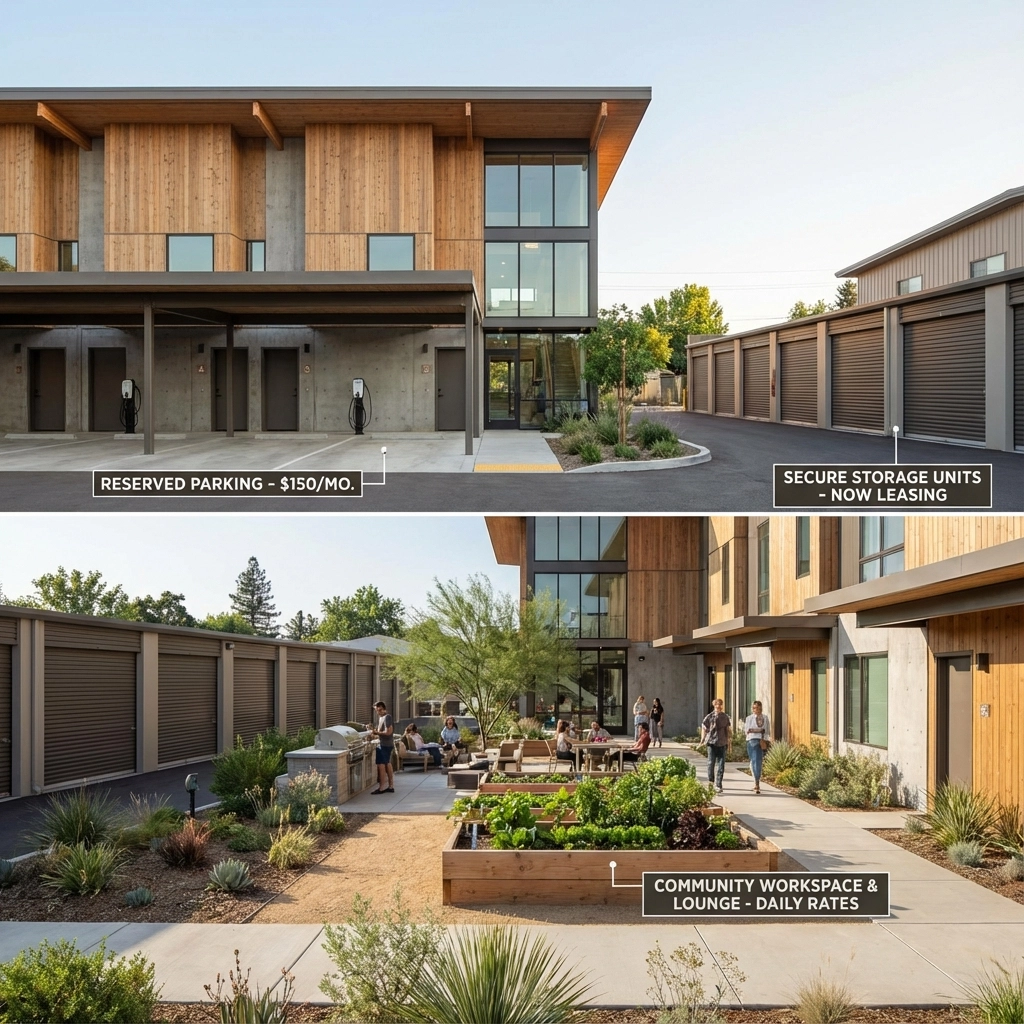
- Storage space rentals for basements, garages, or closets ($30-75/month)
- Parking space rentals in urban markets ($50-200/month depending on location)
- Laundry services with coin-operated or app-based machines
- Package receiving and management services ($15-25/month)
- Lawn care and snow removal services with markup ($40-80/month seasonally)
- Utility management services with administrative fees
Service implementation tips:
- Start with services that require minimal additional effort on your part
- Price competitively with local market rates for similar services
- Use professional service providers and mark up their rates appropriately
- Market add-on services during lease signings when tenants are most receptive
- Include service options in your rental marketing to attract tenants who value convenience
Case study: A property owner in Denver added parking space rentals, pet fees, and optional lawn care services to a 4-unit building. These add-ons generated an additional $380 per month in revenue with minimal additional management time.
Strategy #4: Leverage Technology to Reduce Operating Costs
Every dollar you save in operating expenses directly increases your net rental income. Smart property owners are using technology not just to impress tenants, but to significantly reduce their ongoing costs and management time.
Cost-saving technology investments:
- Smart thermostats that reduce energy costs by 10-15% annually
- Smart water leak detectors that prevent catastrophic damage claims
- Automated rent collection systems that eliminate late payment processing
- Digital maintenance request systems that streamline communication and reduce emergency calls
- Smart locks that eliminate lockout service calls and key replacement costs
- Energy-efficient LED lighting that reduces electricity costs and replacement frequency
Financial benefits:
- Reduced utility costs in landlord-paid scenarios
- Lower insurance premiums with smart safety and security features
- Decreased maintenance and emergency service calls
- Faster rent collection and reduced late payment processing
- Less time spent on routine property management tasks
ROI calculation: Technology investments typically pay for themselves within 12-18 months through reduced operating costs, then continue generating savings for years.
Strategy #5: Optimize Your Marketing to Attract Premium Tenants
High-quality tenants pay higher rents, stay longer, and cause fewer problems. Instead of accepting the first qualified applicant, successful landlords market strategically to attract the best possible tenants for their properties.
Premium marketing strategies:
- Professional photography that showcases your property's best features
- Virtual tours that save time and attract serious applicants
- Detailed property descriptions that highlight unique benefits and amenities
- Social media marketing that reaches demographics likely to pay premium rents
- Listing optimization for maximum visibility on rental platforms
- Targeted marketing to corporate relocations and professional communities
Tenant quality indicators to prioritize:
- Stable employment with income 3x monthly rent
- Positive rental history and strong references
- Good credit scores and financial responsibility
- Professional or graduate school backgrounds
- Long-term housing needs rather than short-term solutions
Quality tenant benefits:
- Willing to pay premium rents for quality properties
- Lower turnover rates and longer tenancy periods
- Better property care and fewer maintenance issues
- Faster rent payments and fewer collection problems
- Positive relationships that reduce management stress
Strategy #6: Strategic Property Improvements with Maximum ROI
Not all property improvements are created equal. Successful landlords focus their investment dollars on improvements that generate the highest return through increased rental income and property value.
High-ROI improvement priorities:
- Kitchen updates: Modern appliances, countertops, and fixtures can justify 10-20% rent increases
- Bathroom renovations: Updated bathrooms are strong tenant attractors and value-builders
- Flooring upgrades: Durable, attractive flooring transforms property perception
- Fresh paint: The highest ROI improvement, often returning 300-500% of investment
- Curb appeal improvements: Landscaping and exterior updates create strong first impressions
- Energy efficiency upgrades: Appeal to environmentally conscious tenants while reducing operating costs
Improvement budgeting strategy:
- Calculate potential rent increase before starting any project
- Focus on improvements that multiple tenants will value, not personal preferences
- Use quality materials that will last through multiple tenant turnovers
- Consider timing improvements with natural vacancy periods
- Get multiple contractor quotes and negotiate based on volume if you have multiple properties
ROI measurement: Track the rental income increase from improvements and calculate payback periods. Aim for improvements that pay for themselves within 2-3 years through higher rental income.
Strategy #7: Build Long-Term Wealth Through Strategic Portfolio Expansion
Your existing properties can be the foundation for building a larger, more profitable real estate portfolio. Smart landlords use the cash flow and equity from current properties to fund strategic acquisitions that multiply their rental income.
Expansion strategies for 2026:
- Use rental income to save for down payments on additional properties
- Leverage equity through cash-out refinancing for new acquisitions
- Partner with other investors to purchase larger or higher-value properties
- Target undervalued properties that can be improved for forced appreciation
- Consider different property types or markets to diversify income sources
- Use 1031 exchanges to trade up to higher-income properties tax-free
Portfolio growth benefits:
- Economies of scale in property management and maintenance
- Diversified income sources that reduce vacancy impact
- Increased borrowing power for future acquisitions
- Greater overall wealth building through appreciation and cash flow
- Potential for professional property management as portfolio grows
Growth planning considerations:
- Maintain adequate cash reserves for multiple properties
- Develop systems and processes that can scale with portfolio size
- Build relationships with reliable contractors and service providers
- Consider geographic concentration versus diversification strategies
- Plan for professional property management when portfolio reaches optimal size
Your 2026 Income Optimization Action Plan
These seven strategies work best when implemented systematically rather than all at once. Start with the strategies that align with your current situation and gradually expand your approach.
This month's priorities:
- Analyze your current rental rates against market data
- Identify one high-ROI improvement for each property
- Research technology solutions that could reduce your operating costs
- Evaluate your marketing approach and tenant quality
Next quarter's goals:
- Implement dynamic pricing for lease renewals and new rentals
- Add profitable add-on services where appropriate
- Complete planned property improvements and measure their impact
- Begin planning for strategic portfolio expansion
The property owners who consistently implement these strategies report 20-30% higher rental income within 12 months compared to those who maintain status quo operations.
Ready to maximize your rental income potential? Trenven provides the tools and insights successful property owners use to optimize their rental income and streamline their operations.
Start implementing these strategies today, and make 2026 your most profitable year in real estate investing.
RELATED POSTS
View all

2026 Rental Market Predictions: What Landlords Need to Know
January 7, 2026 | by robert@trenven.com

How to Save 10+ Hours Per Week with AI Property Management (Easy Guide for Landlords)
October 21, 2025 | by robert@trenven.com
Manual Property Management Vs AI-Powered Platforms: Which Is Better For Your Rental Portfolio?
October 9, 2025 | by robert@trenven.com