

Why 2026 Is the Year to Upgrade Your Property Management Tech
January 16, 2026 | by robert@trenven.com
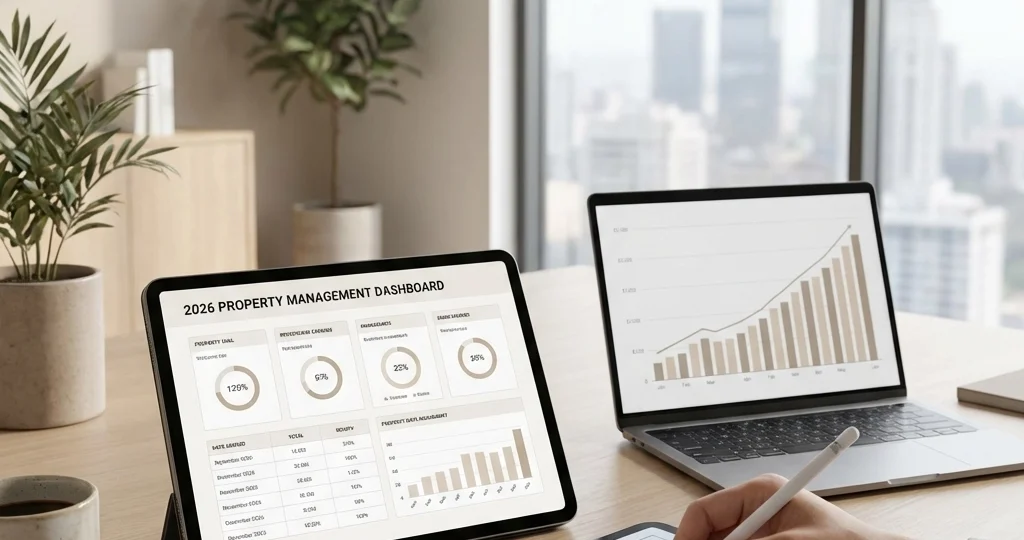
Let's be real: if you're still running your property management operations on outdated software: or worse, spreadsheets: 2026 is going to feel like an uphill battle.
The property management industry has hit a major inflection point. AI adoption, shifting tenant expectations, and tighter regulations have converged to make modern tech not just helpful, but absolutely essential for staying competitive.
Here's why this year is the time to make your move.
The AI Tipping Point Is Here
We've been hearing about AI in property management for years. But 2026 is different. This is the year AI stopped being a buzzword and became a core operational requirement.
Consider this: 58% of property management companies are already using AI in some capacity. That number is climbing fast. If you're not in that group yet, you're already playing catch-up.
What does AI actually do for property managers today?
- 24/7 leasing assistants that handle tenant inquiries, schedule tours, and process lease renewals without you lifting a finger
- Predictive maintenance systems that catch problems before they become expensive emergencies
- Automated rent collection and follow-ups that improve cash flow without awkward conversations
- Smart screening tools that analyze applications faster and more accurately than manual review
The properties leveraging these tools are operating leaner, responding faster, and keeping tenants happier. The ones that aren't? They're burning time and money on tasks that should have been automated years ago.
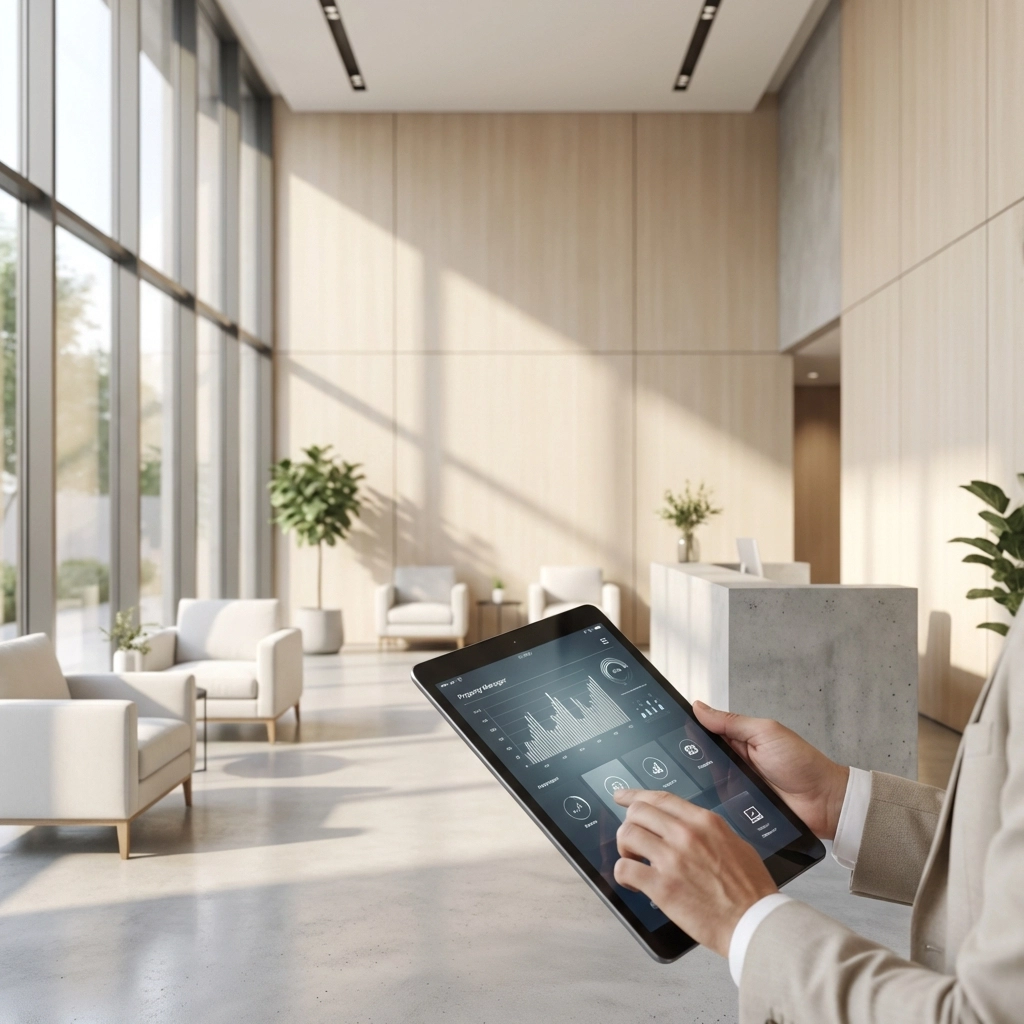
Tenant Expectations Have Changed: Permanently
Here's something that might sting a little: your tenants expect more from you than ever before. And they're not being unreasonable about it.
In 2026, the standard tenant experience looks like this:
- One app to rule it all. Rent payments, maintenance requests with real-time tracking, lease documents, community updates: all in one place
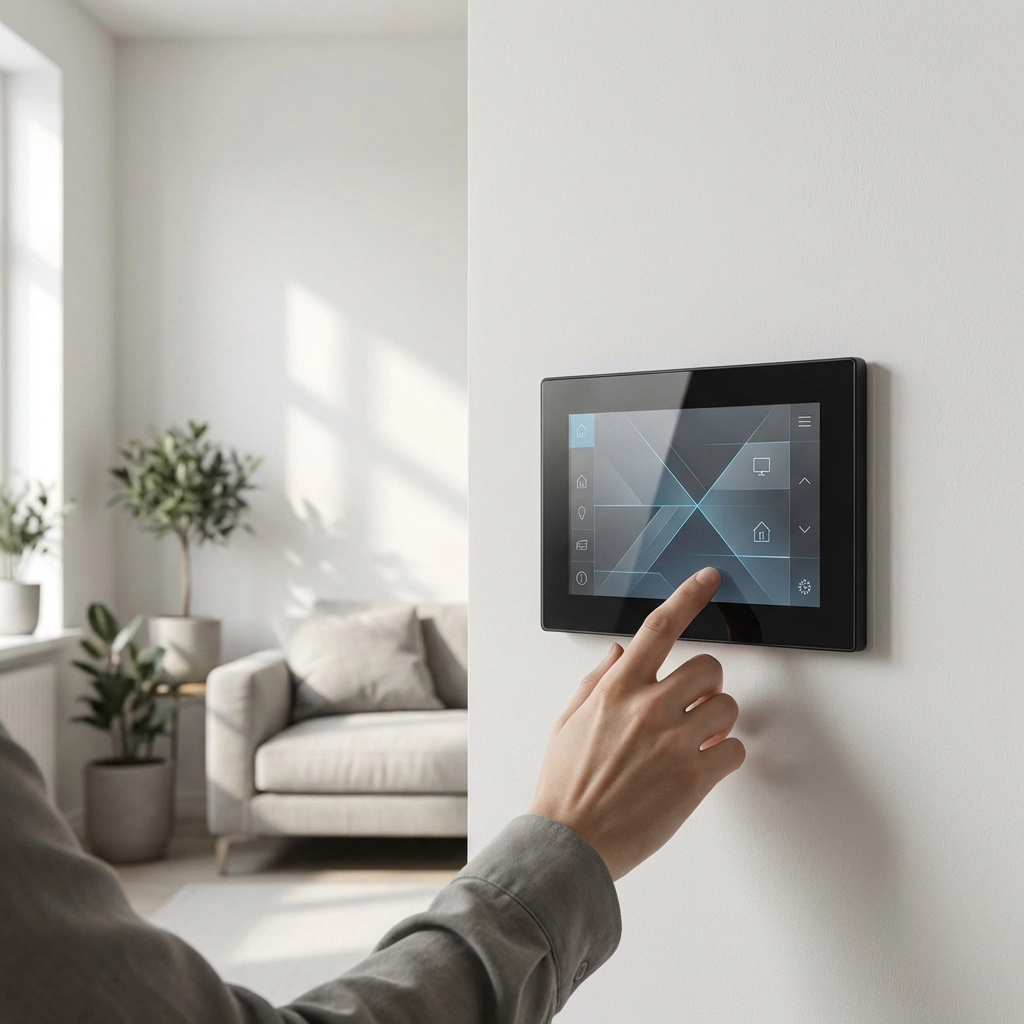
- Smart access controls. No more lost keys or lockouts. Digital entry is the new baseline
- Instant communication. Tenants want answers now, not "within 24-48 business hours"
- Energy monitoring and smart home features. Especially for newer properties, these aren't luxury add-ons anymore
If your current system forces tenants to call, email, and wait around for basic tasks, you're creating friction. Friction leads to turnover. Turnover is expensive.
The math is simple: a seamless digital experience attracts better tenants and keeps them longer.
The Cost of Doing Nothing Is Higher Than You Think
Upgrading your tech stack feels like a big investment. But let's talk about what staying put actually costs you.
Time drain. How many hours per week does your team spend on manual data entry, chasing down late payments, or coordinating maintenance schedules? Every hour spent on tasks that could be automated is an hour not spent on growth.
Missed opportunities. While you're manually processing applications, a competitor with AI-powered screening already signed that quality tenant.
Compliance risks. Regulations around tenant data, fair housing, and pricing transparency are tightening. Legacy systems weren't built to handle automatic compliance tracking. One mistake could mean legal headaches and financial penalties.
Tenant churn. Properties with clunky, outdated experiences see higher turnover. And replacing a tenant typically costs $3,000-$5,000 when you factor in vacancy, marketing, and turnover prep.
The "if it ain't broke, don't fix it" mentality? It's quietly breaking your bottom line.
Open Integrations Are the New Standard
One of the biggest shifts in property management tech is the move toward open, API-driven ecosystems.
What does that mean for you?
Gone are the days when you had to choose one monolithic platform and hope it did everything you needed. Modern systems are built to connect: smart locks, energy management, IoT sensors, accounting software, CRM tools: all talking to each other without custom development or duct-tape workarounds.
This interconnectedness gives you:
- Portfolio-wide visibility from a single dashboard
- Faster implementation when adding new tools or vendors
- Fewer data silos that slow down decision-making
- Flexibility to swap out underperforming tools without rebuilding your entire stack
If your current software doesn't play well with others, you're locked into limitations that will only compound over time.
Cloud-Based Is No Longer Optional
Still running on-premise software? Here's the hard truth: you're operating at a disadvantage.
Cloud-based property management platforms have become the default for good reason:
- Real-time updates mean your data is always current, no matter where you are
- Mobile access lets you manage properties from anywhere: your couch, a coffee shop, or a beach in Mexico
- Automatic backups and security updates protect your data without IT headaches
- Scalability that grows with your portfolio without major infrastructure investments
The speed and flexibility of cloud systems simply can't be matched by legacy on-premise setups. And in a competitive market, speed matters.
Compliance Just Got More Complicated
If you manage properties across multiple states or municipalities, you already know the compliance landscape is a maze. In 2026, it's getting even more complex.
New regulations around algorithmic pricing transparency are creating demand for systems with built-in governance controls. Fair housing requirements continue to evolve. Data privacy rules are tightening.
Modern property management platforms handle this automatically:
- Automatic regulatory tracking that updates when laws change
- Built-in audit trails for pricing decisions and tenant interactions
- Standardized reporting that satisfies increasingly curious regulators
Relying on manual compliance checks is risky. One oversight could mean fines, lawsuits, or reputational damage. The right tech stack builds compliance into your daily operations without adding to your workload.
Real-Time Financial Visibility Is Expected
Property owners and investors aren't satisfied with monthly reports anymore. They want to see what's happening right now.
Modern platforms deliver:
- Live dashboards showing occupancy, revenue, and expenses across your entire portfolio
- Automated accounting that eliminates manual reconciliation errors
- Instant reporting for investors, lenders, and stakeholders
If you're still manually pulling together financial reports, you're spending hours on work that should take seconds. And you're increasing the risk of errors that could damage trust with owners and partners.
The Competitive Gap Is Widening
Here's the uncomfortable reality: the gap between tech-forward property managers and everyone else is growing fast.
Companies that invested in modern systems over the past few years are now:
- Operating with smaller teams (and lower overhead)
- Filling vacancies faster
- Retaining tenants longer
- Making smarter decisions with better data
Meanwhile, those clinging to outdated tools are working harder just to keep up: and often falling short anyway.
2026 isn't the year to "start thinking about" upgrading your tech. It's the year where falling behind becomes genuinely painful.
Making the Move
The good news? Upgrading doesn't have to be overwhelming.
Start by identifying your biggest pain points. Is it leasing? Maintenance coordination? Rent collection? Compliance tracking? Focus your first upgrade where you'll see the fastest ROI.
Look for platforms that offer:
- Easy onboarding with dedicated support
- Open integrations with your existing tools
- Transparent pricing without hidden fees
- Free trials so you can test before committing
The best time to modernize your property management tech was a few years ago. The second-best time is right now.
Ready to see what modern property management looks like? Explore Trenven and discover how the right technology can transform your operations in 2026 and beyond.
RELATED POSTS
View all

Proactive Maintenance: How AI Keeps Your Rentals Running Smoothly
December 5, 2025 | by robert@trenven.com
The Property Manager's Guide to AI Workflow Automation in Under 10 Minutes
November 7, 2025 | by robert@trenven.com
Manual Property Management vs AI Automation: Which Is Better For Your Rental Portfolio?
October 8, 2025 | by robert@trenven.com