

Are Traditional Property Management Methods Dead? Do Landlords Still Use Spreadsheets?
November 3, 2025 | by robert@trenven.com
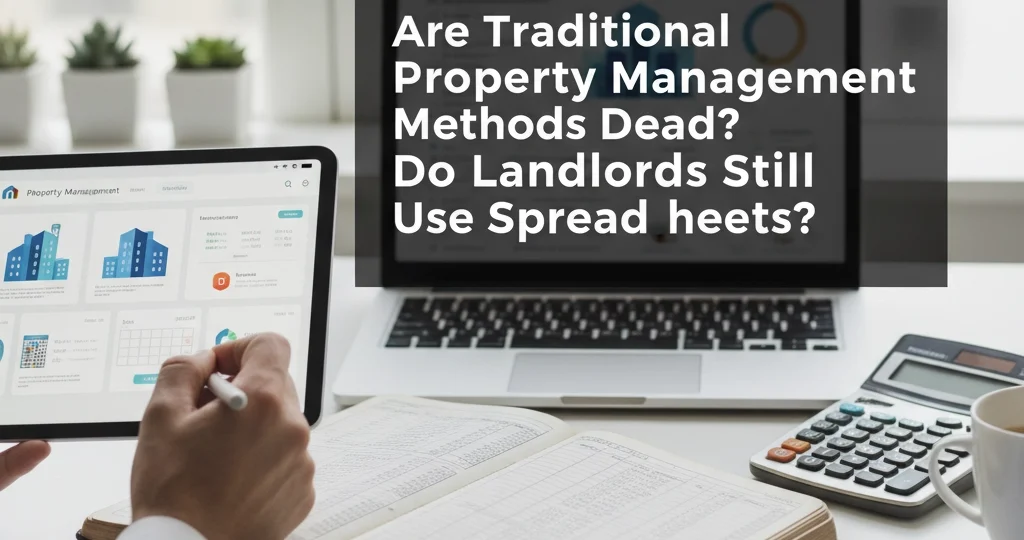
Let's cut straight to the chase: traditional property management methods aren't completely dead, but they're definitely on life support. In 2025, we're witnessing a massive shift in how landlords and property managers handle their portfolios, and the numbers don't lie.
The property management technology market is projected to reach a staggering $41.52 billion in 2025, proving that the industry is investing heavily in digital transformation. But here's the real question: are you still clinging to spreadsheets while your competitors leverage cutting-edge automation?
The Reality Check: What's Actually Happening in Property Management
Walk into any property management conference today, and you'll hear the same story repeatedly. Landlords who've scaled beyond a handful of units are ditching their Excel sheets faster than tenants abandon poorly maintained properties.
The shift isn't just about keeping up with trends: it's about survival. Modern tenants expect digital convenience, regulatory compliance is getting more complex, and operational efficiency directly impacts your bottom line. 72% of tenants now prefer digital communication over traditional methods, and that preference is reshaping how successful landlords operate.
Yet surprisingly, many small landlords still rely on spreadsheets for basic operations. The key distinction? Scale and complexity.

Why Traditional Methods Are Struggling to Keep Up
The Manual Data Entry Nightmare
Every successful property manager will tell you the same thing: manual data entry is where profits go to die. When you're logging every rent payment, maintenance request, and tenant interaction by hand, you're not just wasting time: you're creating opportunities for costly errors.
Consider this scenario: A single missed payment entry in your spreadsheet could lead to incorrect late fees, tenant disputes, and damaged relationships. Multiply that risk across dozens or hundreds of units, and you're looking at a compliance and financial disaster waiting to happen.
The Integration Problem
Spreadsheets exist in isolation. They don't talk to your bank, communicate with your maintenance team, or automatically generate the reports you need for tax season. This fragmentation creates inefficiencies that compound daily.
Modern landlords need systems that work together seamlessly. When a tenant reports a maintenance issue, the best property managers want that request to automatically:
- Generate a work order
- Notify the appropriate contractor
- Track costs against the property budget
- Update the tenant with status reports
- Document everything for future reference
Try doing that with a spreadsheet.
Cash Flow Delays That Kill Momentum
Here's a reality that hits close to home for every landlord: waiting for checks to clear the bank creates serious cash flow problems. A couple of late payments can completely derail your monthly budget, especially when you're managing multiple mortgage payments and maintenance expenses.
Digital payment processing isn't just convenient: it's financially strategic. Automated rent collection ensures consistent cash flow, reduces late payments, and eliminates the administrative overhead of chasing down paper checks.

When Spreadsheets Still Make Sense (Spoiler: It's Rare)
Let's be honest: spreadsheets aren't completely useless. They can work effectively in very specific situations:
For Brand New Landlords:
- Managing 1-2 properties maximum
- Simple rent collection without complex lease terms
- Basic expense tracking
- When you're still learning the fundamentals
For Straightforward Operations:
- Single-family rental houses with stable, long-term tenants
- Properties with minimal maintenance requirements
- Landlords who personally handle all tenant interactions
But here's the crucial caveat: these situations are temporary. The moment you add a third property, hire a maintenance contractor, or deal with tenant turnover, spreadsheets become more liability than asset.
The Hidden Costs of Staying Traditional
Compliance Risks That Could Destroy Your Business
Federal Fair Housing guidelines aren't suggestions: they're legal requirements with serious consequences. Manual record-keeping makes it nearly impossible to maintain consistent documentation standards across your portfolio.
Property management software automatically tracks all tenant interactions, application processes, and communication history. This documentation becomes invaluable if you ever face a discrimination claim or legal dispute.
Time That Could Build Your Portfolio
Every hour you spend manually updating spreadsheets is an hour you're not:
- Analyzing potential investment opportunities
- Improving existing properties to increase rent
- Building relationships with reliable contractors
- Developing marketing strategies to reduce vacancy rates
Successful property investors understand that operational efficiency directly correlates with growth potential. The landlords scaling their portfolios rapidly aren't the ones stuck in spreadsheet purgatory.
Tenant Satisfaction Impact
Today's tenants expect the same digital convenience they experience everywhere else. Slow responses to maintenance requests, complicated rent payment processes, and poor communication lead directly to lower lease renewal rates.
Higher tenant turnover costs you money through:
- Marketing expenses for new tenants
- Vacancy periods between leases
- Turnover maintenance and cleaning costs
- Time spent on showings and applications
What Modern Landlords Are Doing Instead
Embracing Automated Rent Collection
Smart landlords have moved beyond waiting for checks. Modern property management platforms offer:
- Automatic recurring payments that eliminate late fees
- Multiple payment options (ACH, credit card, digital wallets)
- Instant notifications when payments are received
- Automated late fee processing
- Integration with accounting software
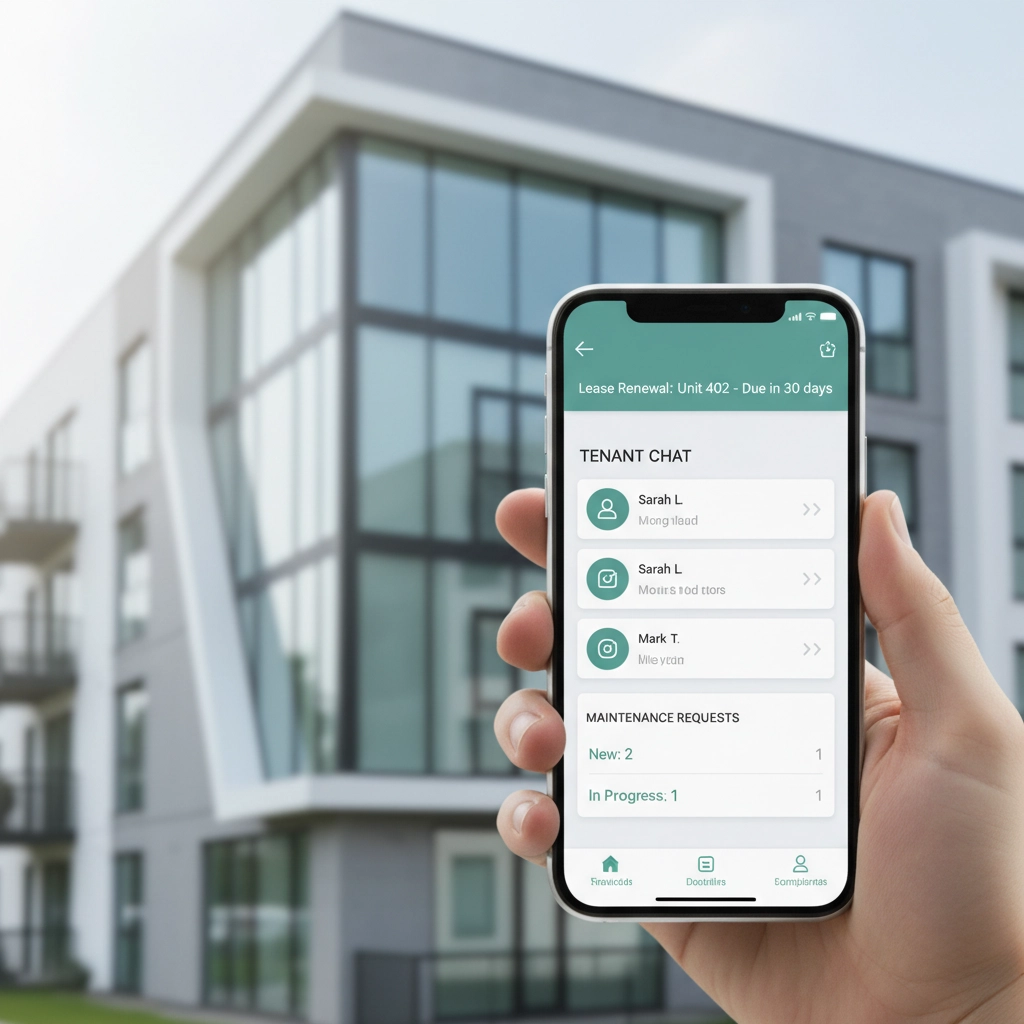
Streamlining Maintenance Management
Instead of coordinating repairs through text messages and phone calls, efficient property managers use systems that:
- Allow tenants to submit requests with photos
- Automatically assign contractors based on issue type
- Track repair progress in real-time
- Maintain historical maintenance records
- Generate cost reports by property
Leveraging Data for Better Decisions
Spreadsheets store data. Modern property management software transforms data into actionable insights:
- Rent optimization recommendations based on market analysis
- Maintenance cost trends that identify problem properties
- Tenant satisfaction metrics that predict renewal likelihood
- Financial reporting that simplifies tax preparation
The Competitive Reality Check
While you're manually updating spreadsheets, your competitors are:
- Processing rental applications in minutes instead of days
- Responding to maintenance requests instantly
- Optimizing rents based on real-time market data
- Building larger portfolios with the same time investment
The landlords thriving in 2025 aren't necessarily smarter or better funded: they're simply using tools that scale with their ambitions.
Making the Transition: What Success Looks Like
Start With Your Biggest Pain Points
Don't try to digitize everything at once. Identify your most time-consuming manual processes:
- Rent collection and late fee tracking
- Maintenance request management
- Tenant communication
- Financial reporting
Solve these one at a time, and you'll quickly see the compound benefits of automation.
Choose Solutions That Grow With You
The best property management software isn't just about solving today's problems: it's about enabling tomorrow's growth. Look for platforms that can handle:
- Multiple property types and locations
- Various lease structures and terms
- Team collaboration as you hire staff
- Integration with other business tools
The Bottom Line: Evolution or Extinction
Traditional property management methods aren't completely dead, but they're rapidly becoming incompatible with modern market demands. The complexity of managing multiple properties, evolving tenant expectations, regulatory compliance requirements, and competitive pressure all point toward one inevitable conclusion.
Spreadsheet-based management at scale isn't just inefficient: it's becoming a competitive disadvantage that limits your growth potential and increases your operational risks.
The most successful landlords in 2025 understand that property management software isn't a luxury upgrade: it's a fundamental operational necessity for anyone serious about building wealth through real estate.
Ready to leave spreadsheet management behind? The transition to modern property management tools is easier than you think, and the time savings start immediately. Your future self (and your bank account) will thank you for making the switch sooner rather than later.
RELATED POSTS
View all

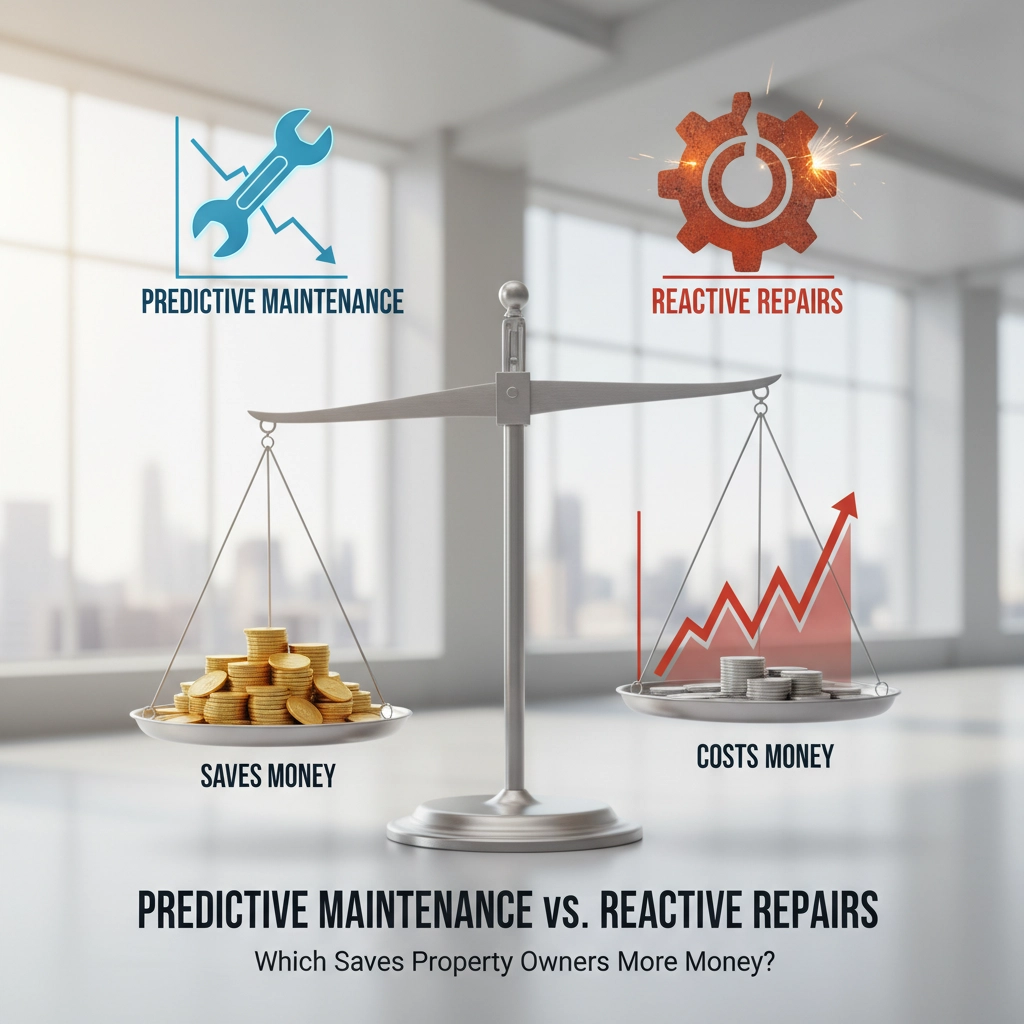
Predictive Maintenance vs. Reactive Repairs: Which Saves Property Owners More Money?
October 24, 2025 | by robert@trenven.com
From Chaos to Control: How AI is Rewriting Property Management Rules
October 10, 2025 | by robert@trenven.com

How to Save 10+ Hours Per Week with AI Property Management (Easy Guide for Landlords)
October 21, 2025 | by robert@trenven.com