

7 Fair Housing Mistakes You're Making with AI Tools (And How TREN Fixes Them)
December 19, 2025 | by robert@trenven.com
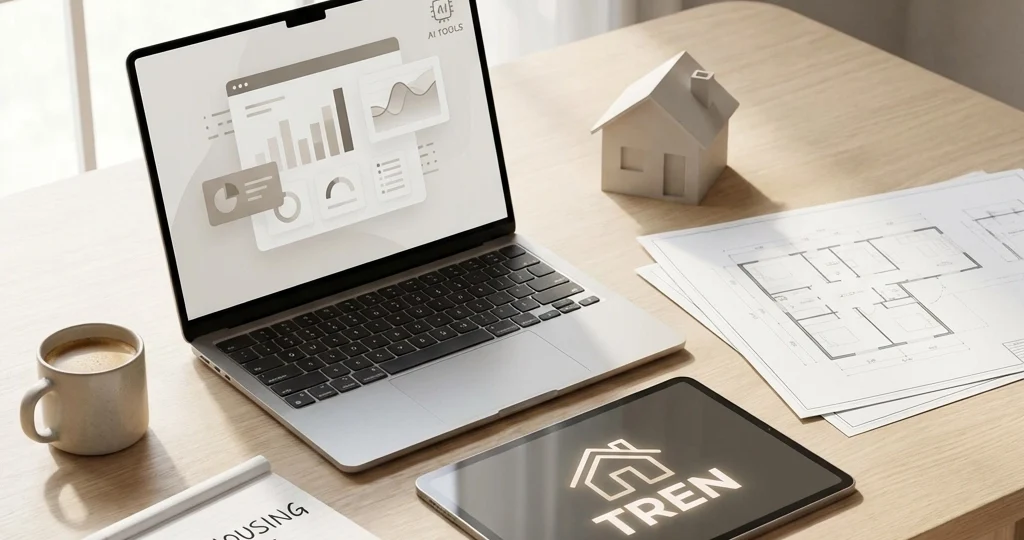
AI is revolutionizing property management, but it’s also creating a minefield of fair housing compliance issues that could cost you thousands in lawsuits and penalties. Most landlords using AI tools don’t even realize they’re violating Fair Housing Act regulations until it’s too late.
The Department of Housing and Urban Development (HUD) has made it crystal clear: AI decisions are still YOUR decisions, and you’re fully responsible for any discriminatory outcomes. Whether you’re using automated tenant screening, AI-powered rent pricing, or algorithmic property marketing, these tools can expose you to massive liability if not properly managed.
Here are the seven most dangerous mistakes property managers make with AI tools, and exactly how TREN’s built-in compliance features protect you from each one.
Mistake #1: Using Biased Training Data
Most AI screening tools learn from historical rental data that’s packed with decades of housing discrimination. When your AI system learns from biased data, it perpetuates those same discriminatory patterns, automatically rejecting qualified tenants based on protected characteristics.
Real-World Example: An AI tool trained on historical eviction data might automatically flag applicants from certain zip codes, even if those areas have high eviction rates due to past discriminatory practices rather than tenant quality.
How TREN Fixes This: TREN’s AI algorithms are trained on carefully curated, bias-tested datasets. Our compliance team regularly audits training data to remove historical biases, and our system flags any screening criteria that could disproportionately impact protected classes. You get accurate tenant assessments without the liability.

Mistake #2: Black Box Decision-Making
Many AI screening platforms operate as “black boxes”, you input applicant data, get a approval/denial decision, but have zero visibility into how that decision was made. When HUD investigators ask you to justify a rejection, “the computer said no” isn’t a legally sufficient answer.
The Legal Risk: If you can’t explain why an applicant was denied, you can’t prove the decision wasn’t discriminatory. This makes you extremely vulnerable in fair housing lawsuits.
How TREN Fixes This: Every TREN screening decision comes with a detailed explanation of the factors considered, their relative weights, and how they led to the final recommendation. Our “explainable AI” technology ensures you can always justify your decisions to regulators, applicants, and courts.
Mistake #3: Letting AI Make Final Decisions
The biggest mistake property managers make is treating AI recommendations as final decisions. Even the most sophisticated AI shouldn’t have the final say on tenant selection: human oversight is legally required and practically essential.
Why This Matters: Courts have consistently held that landlords remain fully responsible for AI-driven decisions. Delegating final approval to an algorithm doesn’t reduce your liability: it increases it.
How TREN Fixes This: TREN never makes final decisions for you. Our platform provides comprehensive AI-powered recommendations, risk assessments, and compliance alerts, but every final decision requires human review and approval. Our workflow ensures you maintain control while benefiting from AI insights.
Mistake #4: Ignoring Disparate Impact
Even if your AI tool doesn’t explicitly consider race, gender, or other protected characteristics, it can still create disparate impact: disproportionately affecting protected groups through seemingly neutral criteria.
Recent Example: The SafeRent lawsuit in Jacksonville alleged their algorithm assigned “disproportionately lower scores to Black and Hispanic rental applicants compared to white rental applicants,” despite not explicitly considering race.
How TREN Fixes This: TREN continuously monitors for disparate impact across all protected classes. Our system automatically flags when approval rates vary significantly between demographic groups and suggests alternative criteria that achieve your screening goals without discriminatory effects. We help you stay ahead of potential issues before they become lawsuits.

Mistake #5: AI-Generated Discriminatory Marketing
AI-powered marketing tools can inadvertently create fair housing violations through discriminatory language or targeting. Simple phrases like “perfect for young professionals” or “great for families” can violate fair housing laws by discouraging protected groups.
Hidden Risk: Targeted advertising algorithms might automatically exclude certain demographics from seeing your listings, creating systemic discrimination in who even knows about your available properties.
How TREN Fixes This: TREN’s marketing module includes built-in fair housing compliance checks for all AI-generated content. Our system automatically flags potentially discriminatory language, suggests neutral alternatives, and ensures your advertising reaches all qualified prospects regardless of protected characteristics.
Mistake #6: Outsourcing Without Accountability
Many landlords think using third-party AI screening services shields them from fair housing liability. This is completely wrong: you remain fully responsible for discriminatory outcomes, regardless of who provides the technology.
Legal Reality: HUD guidance explicitly states that both property owners and screening companies are responsible for Fair Housing Act compliance. Outsourcing screening doesn’t outsource liability.
How TREN Fixes This: Since TREN is integrated into your property management workflow, you maintain complete oversight and control. Our compliance features work seamlessly with your existing processes, and our legal team provides ongoing updates as fair housing regulations evolve. You get the benefits of advanced AI with full accountability and protection.

Mistake #7: Static Compliance Approaches
Fair housing law and AI regulation are rapidly evolving. What’s compliant today might be illegal tomorrow, but most AI tools are built once and never updated for changing regulations.
The Compliance Gap: New HUD guidance, court decisions, and state regulations constantly change what’s required for AI compliance, but most property managers are using outdated systems that don’t adapt.
How TREN Fixes This: TREN’s compliance framework is continuously updated by our legal and technology teams. When new regulations emerge, our system automatically incorporates the latest requirements. You get real-time compliance updates, not yearly software patches that leave you exposed in the meantime.
The Bottom Line: AI Without Compliance is a Lawsuit Waiting to Happen
AI tools can dramatically improve your property management efficiency, but only if they’re designed with fair housing compliance from the ground up. Using generic AI screening tools or trying to retrofit compliance onto existing systems leaves you exposed to massive liability.
TREN was built differently. Our platform integrates advanced AI capabilities with comprehensive fair housing protections, giving you the competitive advantages of automation without the legal risks.
Ready to see how TREN protects your business while streamlining your operations? Get started with a free compliance audit and discover how proper AI implementation can transform your property management: safely and legally.
Don’t let fair housing violations destroy the business you’ve worked so hard to build. Make the smart choice for your properties, your tenants, and your peace of mind.
RELATED POSTS
View all

Proactive Maintenance: How AI Keeps Your Rentals Running Smoothly
December 5, 2025 | by robert@trenven.com

Why AI Property Management Will Change the Way You Handle Tenants
October 8, 2025 | by robert@trenven.com
Automated Financial Reporting Vs Manual Tracking: Which Is Better For Your Rental Portfolio?
December 9, 2025 | by robert@trenven.com