

Are Traditional Property Management Methods Dead? Do Landlords Still Use Spreadsheets?
October 30, 2025 | by robert@trenven.com
Let's cut straight to the chase: traditional property management methods aren't completely dead, but they're definitely on life support. If you're still managing your rental portfolio with spreadsheets in 2025, you're not alone: but you're definitely in the minority.
The reality is more nuanced than a simple yes or no. While some landlords still cling to their Excel sheets, the industry has experienced a massive digital transformation that's reshaping how smart property managers operate.
The Spreadsheet Survivors: Who's Still Using Them?
Here's the truth: spreadsheets aren't entirely extinct. They're still hanging around in specific scenarios, like that old flip phone your uncle refuses to upgrade.
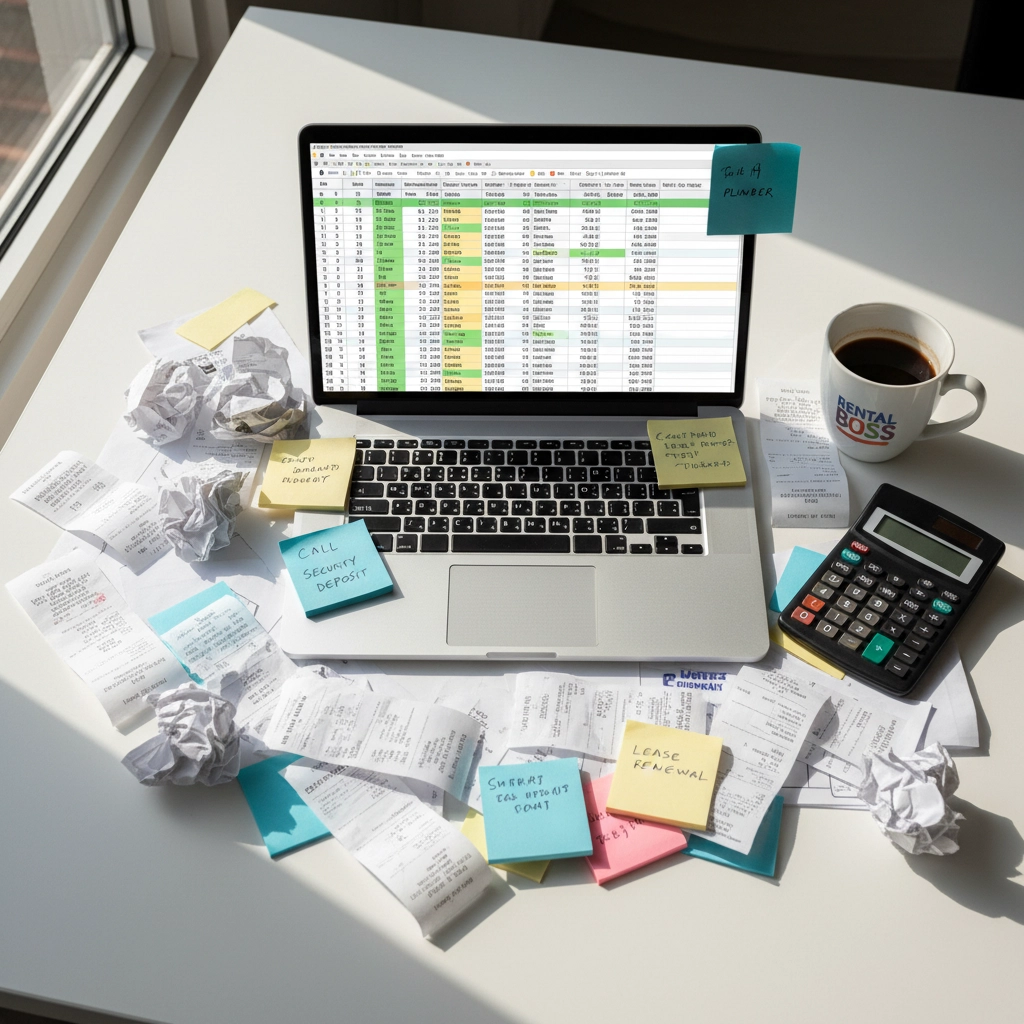
Small-scale landlords with just 2-3 properties sometimes stick with spreadsheets because they seem "simple enough." New landlords often start with Excel because it's free and familiar. For basic rent tracking and simple expense recording, spreadsheets can technically get the job done.
But here's the kicker: even small landlords are quickly discovering that "simple enough" becomes "painfully inadequate" faster than they expected.
Why Traditional Methods Are Becoming Extinct
The property management technology market is projected to hit $41.52 billion in 2025. That's not pocket change: it's massive industry investment signaling that traditional methods are no longer competitive.
The Hidden Costs of Sticking with Spreadsheets:
- Time Drain: Manual data entry eats up hours you could spend growing your portfolio
- Error-Prone: One typo can throw off your entire financial tracking
- Compliance Risks: Manual processes leave you vulnerable to Fair Housing violations
- Cash Flow Delays: Slow payment processing hurts your bottom line
- Tenant Frustration: Modern renters expect digital convenience, not paper checks
Think about it: when was the last time you paid a bill with a paper check? Your tenants are thinking the same thing about rent payments.
The Digital Revolution is Here (And It's Winning)
Modern property management isn't just about replacing spreadsheets: it's about fundamentally transforming how you operate. The tools available today would seem like science fiction just five years ago.
What's Driving the Change:
Centralized Operations: Everything in one place means faster responses, standardized communications, and the ability to scale without hiring an army of assistants.
IoT and Smart Building Tech: Predictive maintenance, energy optimization, and keyless access systems aren't just cool gadgets: they're profit boosters that reduce operating costs while increasing tenant satisfaction.
Real-Time Data Access: Make decisions based on current information, not month-old spreadsheet snapshots.

The Automation Advantage
Here's where modern property management software absolutely destroys traditional methods: automation.
Tasks That Run Themselves:
- Automatic rent collection and late fee processing
- Maintenance request routing and tracking
- Lease renewal reminders and document generation
- Financial reporting that updates in real-time
- Tenant screening that happens while you sleep
Imagine never having to chase rent payments manually again. Imagine maintenance requests that automatically get sent to the right contractors. Imagine having all your financial data instantly available for tax season or investor meetings.
This isn't fantasy: it's Tuesday for landlords using modern tools.
Real Talk: The Resistance to Change
We get it. Change is scary, especially when you've been managing properties the same way for years. The most common objections we hear are:
"It's too expensive" – Modern property management software typically pays for itself within the first month through time savings and improved rent collection.
"It's too complicated" – Today's platforms are designed for real people, not tech experts. If you can use a smartphone, you can use modern property management software.
"My tenants won't adapt" – Your tenants have been waiting for you to catch up. They want online payments, digital communication, and mobile-friendly interactions.

The Competitive Disadvantage of Staying Traditional
While you're manually updating spreadsheets, your competition is:
- Collecting rent faster through automated systems
- Reducing vacancy times with streamlined showing processes
- Providing better tenant experiences that justify higher rents
- Scaling their portfolios without proportional increases in workload
- Making data-driven decisions instead of gut-feeling guesses
The bottom line: Traditional methods aren't just outdated: they're actively holding you back from maximizing your investment returns.
Modern Tenants Have Modern Expectations
Your tenants carry supercomputers in their pockets. They order groceries with an app, stream entertainment on demand, and expect instant responses to their messages.
When they have to write paper checks for rent or call during business hours to report maintenance issues, it feels archaic. This friction doesn't just annoy tenants: it costs you money through higher turnover and difficulty attracting quality renters.
What Modern Tenants Want:
- Online rent payments (preferably with multiple payment options)
- 24/7 maintenance request submission
- Digital lease signing
- Instant communication with property managers
- Transparent fee structures and payment histories
Meeting these expectations isn't just nice-to-have anymore: it's table stakes for competitive rental rates.
The Data-Driven Difference
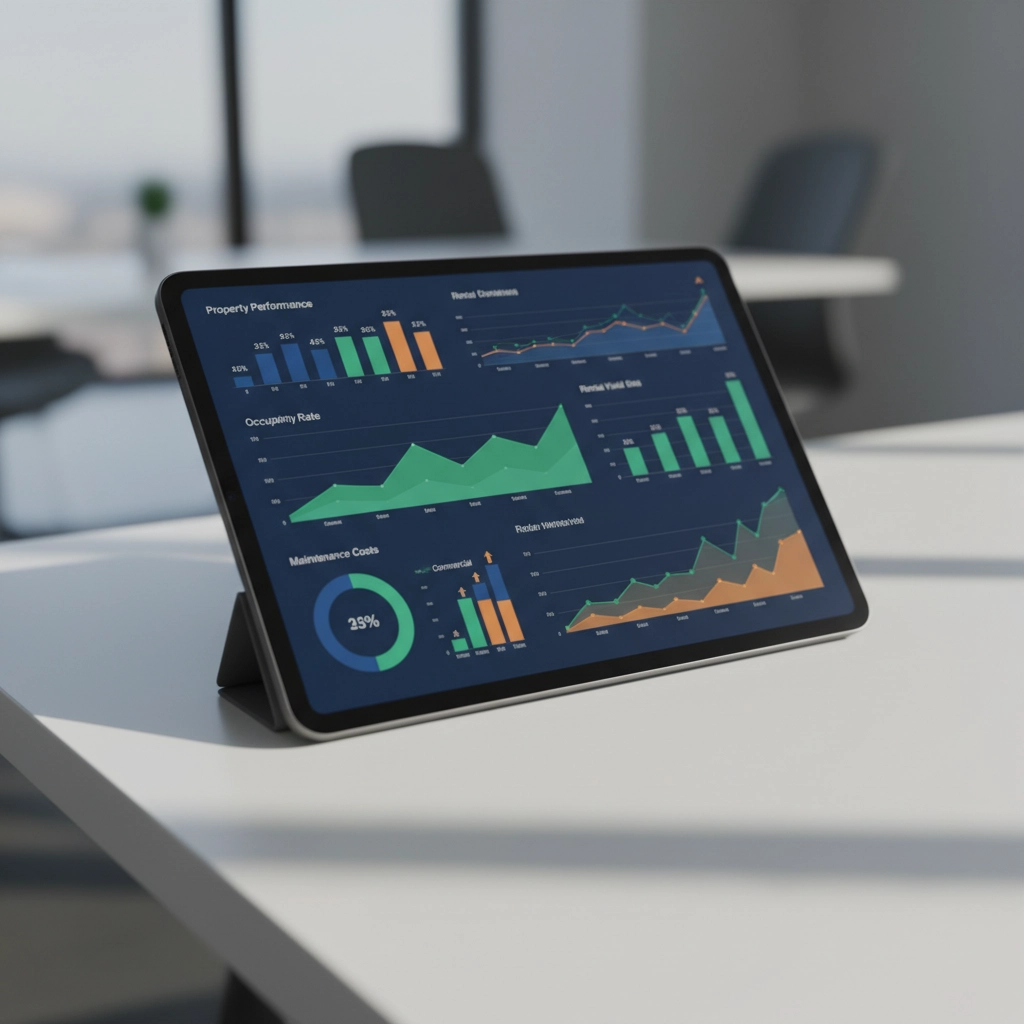
Spreadsheets give you historical information. Modern property management platforms give you actionable insights.
Instead of asking "What happened?" you can ask "What should I do next?"
Predictive analytics help you identify maintenance issues before they become expensive repairs. Market analysis tools show you when to adjust rents for maximum profitability. Tenant behavior patterns help you spot potential problems early.
This shift from reactive to proactive management is perhaps the biggest advantage of modern tools.
Making the Switch: Easier Than You Think
The transition from traditional methods to modern property management doesn't happen overnight, but it doesn't have to be painful either.
Smart Migration Strategy:
- Start with one property to test the system
- Import your existing data (most platforms make this simple)
- Train tenants gradually with clear communication about new processes
- Scale up as you get comfortable with the features
Most property management platforms offer free trials, migration assistance, and training resources to make the switch as smooth as possible.
The Verdict: Evolution or Extinction
Traditional property management methods aren't technically dead: but they're definitely endangered. Like fax machines and dial-up internet, they still exist but serve an increasingly small niche.
For any landlord serious about maximizing returns, reducing stress, and staying competitive, modern property management software isn't just an option: it's a necessity.
The question isn't whether you'll eventually make the switch. The question is how much money and time you'll lose while waiting.
Ready to join the digital revolution? The future of property management is automated, centralized, and incredibly efficient. Your tenants are waiting, your bank account will thank you, and your stress levels will plummet.
The spreadsheet era is ending. Make sure you're not the last one to figure it out.
RELATED POSTS
View all

Stop Wasting Time on Tenant Communications: Try These 7 AI Automation Hacks
October 14, 2025 | by robert@trenven.com
Proactive Maintenance: How AI Keeps Your Rentals Running Smoothly
December 5, 2025 | by robert@trenven.com
Struggling to Scale Your Rental Portfolio? Here's How 10 Smart Property Owners Manage 25+ Properties Effortlessly
November 15, 2025 | by robert@trenven.com