

How to Save 10+ Hours Per Week Managing Rentals (5 Automation Hacks That Actually Work)
December 17, 2025 | by robert@trenven.com
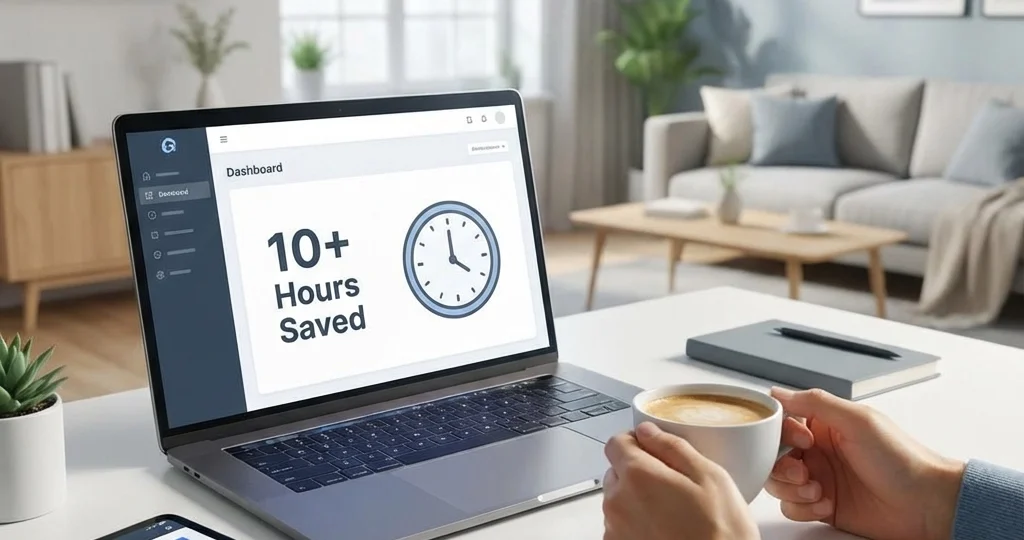
Let’s be honest: managing rental properties shouldn’t feel like a full-time job when you already have one. Yet most landlords spend 15-20 hours weekly on repetitive tasks that could easily be automated. The good news? Smart property managers are already using these five automation hacks to reclaim their weekends and evenings.
1. Turn Rent Collection Into Autopilot Mode
Stop playing collections agent every month. The biggest time drain for most landlords is chasing down rent payments, sending reminders, and manually processing checks or cash payments.
Here’s what automation looks like: Set up automatic online payment systems where tenants pay via ACH transfer, credit card, or scheduled autopay arrangements. When tenants enable autopay, late payments drop by 90%, and funds transfer directly to your bank account without any intervention from you.
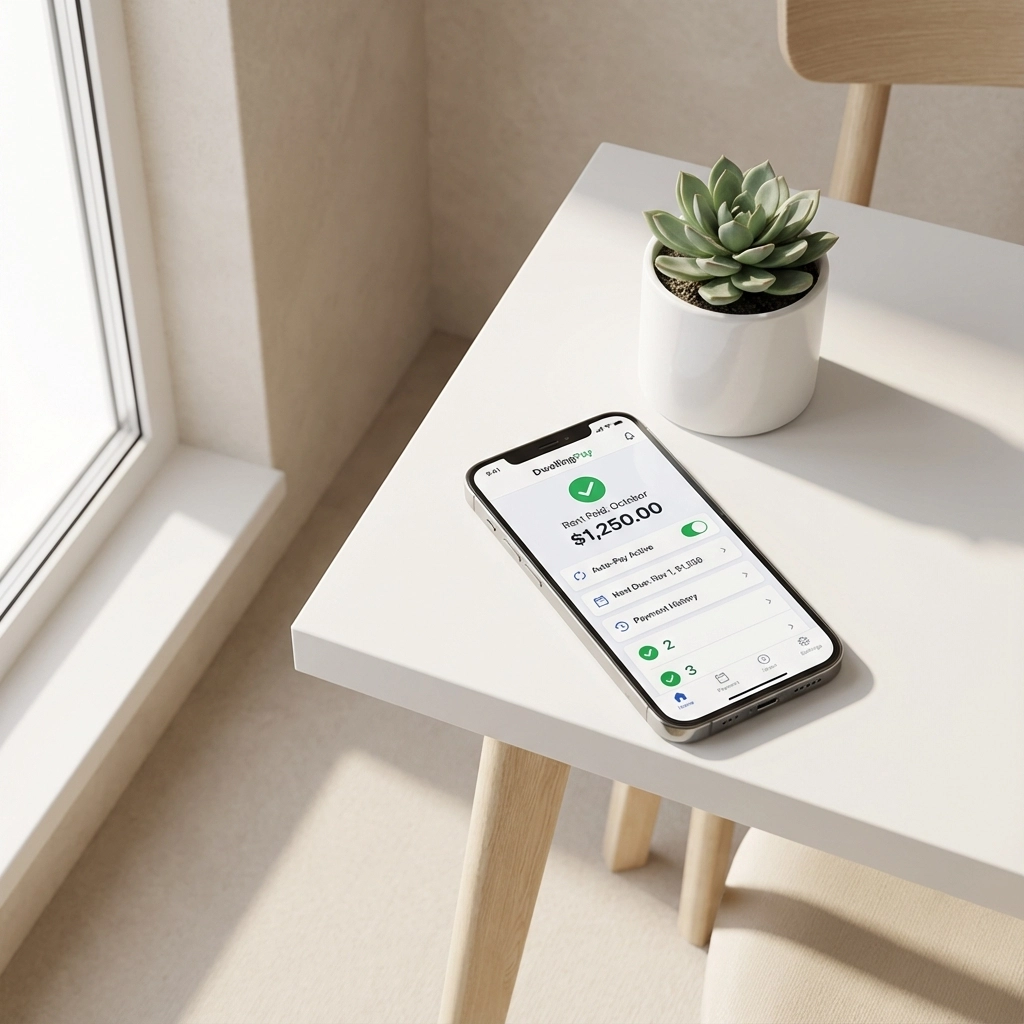
But don’t stop there. Automated rent reminders go out 5 days before the due date, late fee applications happen automatically on day 3, and digital receipts generate instantly. This eliminates manual invoicing, payment tracking, and those awkward “where’s my rent?” conversations that consume 3-4 hours weekly for most landlords.
Pro tip: Modern platforms also handle partial payments automatically, applying them to the oldest charges first and notifying both you and the tenant of remaining balances.
2. Let Tenants Fix Their Own Problems (Seriously)
The constant stream of maintenance requests: broken garbage disposals, clogged drains, burnt-out lightbulbs: can derail your entire day. Every phone call requires you to stop what you’re doing, assess the situation, contact contractors, and follow up on progress.
The automation hack: Create a self-service maintenance request portal where tenants submit issues directly through an app or website. The system automatically routes requests to the appropriate vendor based on the problem type, creates work orders, and tracks progress without your involvement.
When tenants can submit photos, describe issues in detail, and track repair status in real-time, it eliminates 80% of follow-up calls and texts. This single change saves most property managers 2-3 hours weekly while improving tenant satisfaction through faster response times.
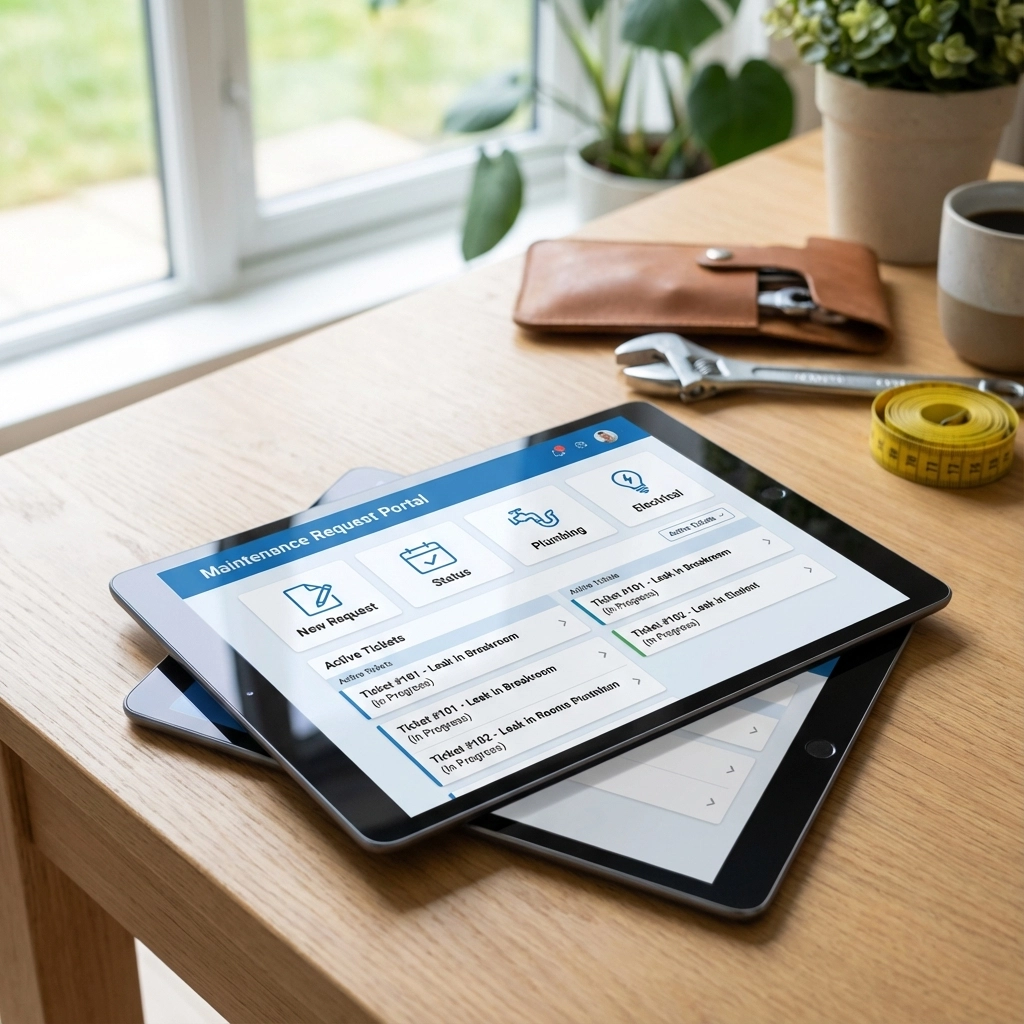
Bonus feature: Smart systems can even handle emergency vs. non-emergency triage automatically, sending urgent issues like water leaks directly to 24/7 services while scheduling routine maintenance for business hours.
3. Make Lease Renewals Happen While You Sleep
Lease renewal season doesn’t have to become your second job. Most landlords manually track lease expiration dates in spreadsheets, then scramble to contact tenants 60-90 days before move-out.
Automation transforms this: Set renewal reminders that trigger automatically 120 days before lease expiration. The system sends personalized renewal offers to tenants, handles their responses, and generates new lease documents based on current market rates and your pricing rules.
Modern platforms can even analyze comparable rents in your area and suggest optimal renewal rates to maximize retention while staying competitive. Digital lease signing keeps everything paperless and legally compliant without requiring you to meet tenants in person or mail documents back and forth.
Real impact: Property managers using automated renewal systems report 40% higher renewal rates and save approximately 1-2 hours per unit during renewal season.
4. Turn Bookkeeping Into a One-Click Process
Tax season shouldn’t require weeks of digging through receipts and bank statements. Manual bookkeeping is one of the biggest time drains in property management, especially when you’re tracking multiple properties, expense categories, and tenant accounts.
Here’s the automation magic: Connect your property management software directly to QuickBooks or your preferred accounting system. Rent payments, maintenance expenses, utility bills, and late fees sync automatically with proper categorization for tax purposes.

The system tracks property-specific income and expenses, generates real-time profit/loss statements, and prepares year-end tax documents with a single click. Landlords using automated accounting report saving approximately 20 hours weekly compared to manual spreadsheet management.
Extra benefit: Automated expense tracking catches deductible items you might otherwise miss: like mileage to properties, small maintenance purchases, and equipment depreciation: improving your bottom line come tax time.
5. Communicate With Everyone at Once
Individual tenant communications eat up massive amounts of time. Sending maintenance updates, community announcements, rent increase notices, or emergency alerts to each tenant separately can consume hours weekly, especially for larger properties.
The solution: Use mass notification systems that deploy messages via text, email, and voice calls simultaneously. Instead of making 20 individual calls about a water shutdown, schedule one message that reaches everyone instantly.
Modern communication automation goes deeper than basic broadcasting. You can set up triggered messages that activate based on specific events: like automatic welcome sequences for new tenants, move-out reminders 60 days before lease expiration, or maintenance completion notifications.
Time savings example: A 50-unit property manager using manual communication methods spends 6-8 hours weekly on tenant interactions. Automation reduces this to under 30 minutes while improving message consistency and tenant satisfaction.

Choose Your Automation Platform Wisely
The key to maximizing time savings is selecting a comprehensive platform that integrates all these features into one dashboard. Juggling multiple tools creates more work, not less.
Look for platforms that offer:
- Unified tenant communication across text, email, and app notifications
- Integrated accounting that syncs with major accounting software
- Automated workflows that trigger based on specific events or dates
- Mobile apps that let you manage everything on-the-go
- Customizable automation rules that match your specific business processes
Getting Started: Your 30-Day Implementation Plan
Don’t try to automate everything at once. Here’s a proven rollout strategy:
Week 1: Implement automated rent collection and payment processing
Week 2: Set up the maintenance request portal and vendor management
Week 3: Configure lease renewal automation and compliance tracking
Week 4: Connect accounting automation and set up mass communication systems
Start with rent collection: it typically delivers the fastest return on your time investment and immediately improves cash flow consistency.
The bottom line: Property management automation isn’t about replacing the personal touch that makes you a great landlord. It’s about eliminating repetitive tasks so you can focus on tenant relationships, property improvements, and growing your portfolio.
Ready to reclaim your time and transform how you manage properties? Modern automation tools pay for themselves within the first month through time savings alone. The question isn’t whether you can afford to automate( it’s whether you can afford not to.)
RELATED POSTS
View all


Future-Proofing Your Portfolio: Why Tech-Savvy Tenants Pay More
January 23, 2026 | by robert@trenven.com
How to Cut Your Vacancy Time by 5+ Days Using AI Property Management (2025 Guide)
October 16, 2025 | by robert@trenven.com

The Landlord's Guide to Stress-Free Maintenance with AI
January 22, 2026 | by robert@trenven.com