

Stop Wasting Money on Vacant Units: 5 Data-Driven Pricing Strategies That Fill Properties Faster
November 19, 2025 | by robert@trenven.com

Every day your rental sits empty, you're hemorrhaging money. Property taxes don't pause, maintenance costs keep coming, and marketing expenses pile up: all while generating zero income. The average vacant unit costs property owners $1,750 per month in lost revenue and carrying costs.
But here's what most property managers get wrong: they're still pricing units based on gut feelings, outdated comparisons, or "what worked last year." Meanwhile, savvy property owners using data-driven pricing strategies are seeing 15% higher occupancy rates and reducing vacancy periods by up to 40%.
The difference? They let data do the heavy lifting instead of playing guessing games with their biggest asset.
Strategy 1: Implement AI-Powered Dynamic Pricing
Static pricing is dead. Setting rent at $2,500 and hoping for the best is like driving with your eyes closed: you might get lucky, but you're more likely to crash.
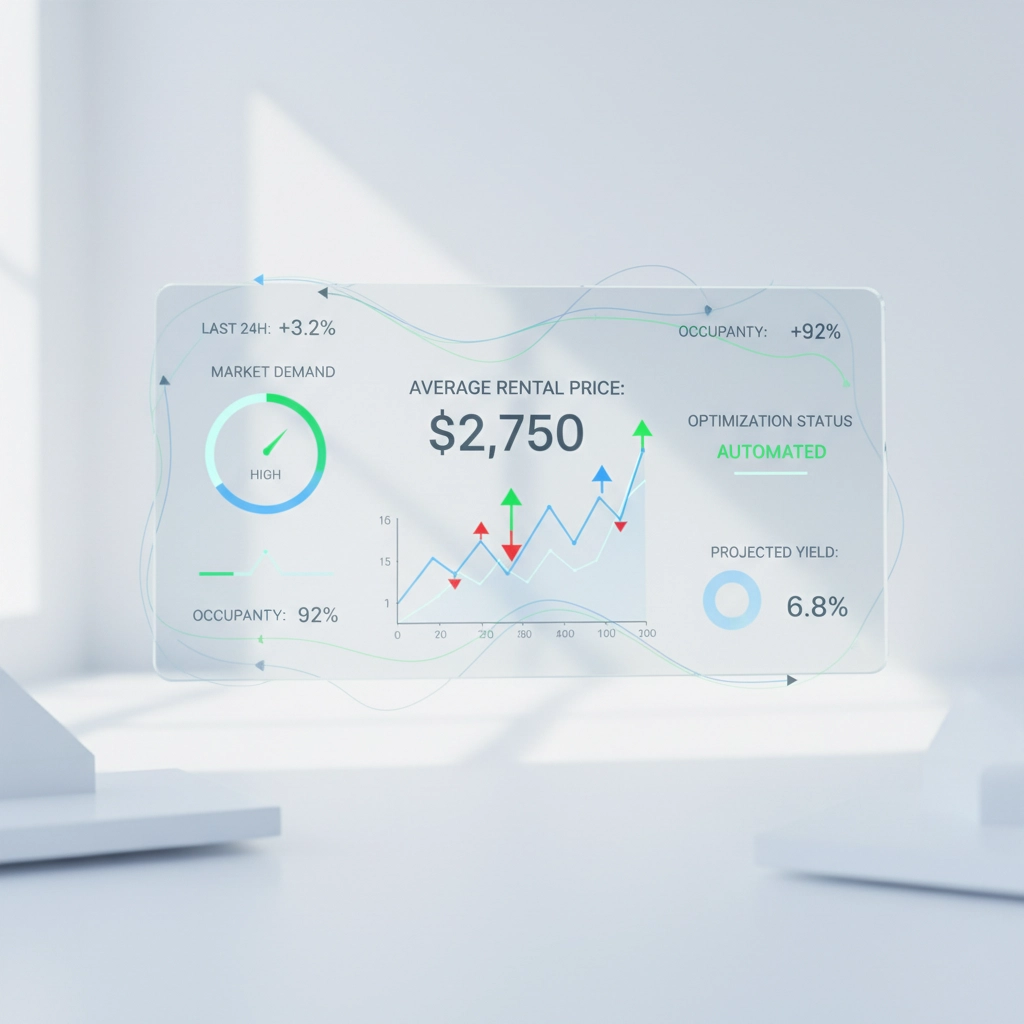
AI-powered dynamic pricing continuously analyzes market conditions, competitor rates, local demand patterns, and seasonal trends to automatically adjust your rates in real-time. Think of it as surge pricing for rental properties, but smarter.
How it works:
- Monitors 100+ market indicators daily
- Adjusts pricing based on local occupancy rates
- Responds to competitor price changes within hours
- Factors in upcoming events that drive demand
When demand spikes: say, during a major conference or festival: your rates automatically increase to capture premium revenue. During slower periods, they adjust downward just enough to stay competitive and keep units filled.
Real results: Properties using dynamic pricing see average occupancy rates of 94% compared to 81% for static pricing models. That's the difference between full properties and money-bleeding vacancies.
Strategy 2: Leverage Seasonality and Local Event Intelligence
Your rental market isn't the same in January as it is in June. Peak seasons, local events, college schedules, and holiday patterns create predictable demand fluctuations: and massive revenue opportunities if you're paying attention.
Data-driven systems track these patterns automatically:
- Summer tourism surges in vacation markets
- Corporate relocations during Q4 and Q1
- University schedules affecting student housing demand
- Major conferences and events creating short-term spikes
Instead of missing these revenue windows, your pricing adapts automatically. When the city announces a major festival, your system knows to raise rates weeks in advance. When the tourism season ends, it adjusts downward to maintain occupancy.
Pro tip: The key is predicting demand shifts, not reacting to them. By the time you notice increased interest, the optimal pricing window may have passed.
Strategy 3: Monitor Competitor Pricing in Real-Time
Playing catch-up with competitor pricing is a losing game. While you're manually checking listings once a week, market conditions are shifting daily.
Real-time competitor monitoring tracks:
- Similar properties within your radius
- Price changes as they happen
- Occupancy indicators (how quickly units are being filled)
- Feature comparisons to justify premium pricing
This isn't about matching the lowest price: it's about understanding your competitive position and pricing strategically. If comparable units are sitting vacant at $2,400, you know $2,500 might be too aggressive. If they're being snatched up at $2,600, you're potentially leaving money on the table.
The competitive advantage: Automated monitoring means you're always positioned optimally, never scrambling to catch up with market movements.

Strategy 4: Use Predictive Analytics and Cost Analysis
Before setting any price, you need two critical numbers: your break-even point and your profit target. Data-driven pricing starts with rock-solid financial analysis.
Cost Analysis Components:
- Mortgage/property taxes
- Insurance and maintenance reserves
- Property management fees
- Marketing and vacancy costs
- Capital improvements amortization
Predictive Analytics Elements:
- Market trend forecasting
- Demand pattern recognition
- Economic indicator correlation
- Seasonal adjustment modeling
This combination ensures your pricing strategy is grounded in financial reality while positioning you ahead of market changes. You're not just covering costs: you're maximizing profit while maintaining competitive occupancy.
Example: If your break-even is $2,200 and predictive models show demand strengthening over the next quarter, you might start at $2,450 and let dynamic pricing optimize from there.
Strategy 5: Implement AI-Powered Tenant Matching and Lead Management
Speed kills in rental markets. Every hour of delay between inquiry and response reduces your chances of securing that tenant. Data-driven tenant matching and automated lead management ensure you're connecting with qualified renters faster than the competition.
AI Tenant Matching Features:
- Instant qualification scoring
- Automated application routing
- Predictive approval likelihood
- Risk assessment algorithms
Lead Management Automation:
- Immediate auto-responses to inquiries
- Scheduled follow-up sequences
- Application status updates
- Interview scheduling automation
The result? 40% reduction in vacancy rates through faster tenant placement and better qualification accuracy. While competitors are still manually sorting through applications, you're already signing leases.

The Retention Bonus Strategy
Here's the data-driven strategy most property managers overlook: tenant retention analysis. Every renewal eliminates the marketing costs, vacancy risk, and turnover expenses of finding a new tenant.
Smart property managers track:
- Renewal probability scoring based on payment history and engagement
- Tenant satisfaction indicators from maintenance requests and communications
- Market rate comparisons to prevent rent shock at renewal time
- Proactive intervention triggers for at-risk tenants
The numbers: Retaining a tenant costs 5-10% of annual rent. Finding a new one costs 15-25%. The math is obvious, but most property managers don't act on it systematically.
What You'll Actually See
Implementing these data-driven strategies delivers measurable results:
Financial Impact:
- 15% higher occupancy rates through optimized pricing
- 25% faster lease-up times via automated lead management
- $300-800 monthly revenue increases per unit through dynamic pricing
- 40% reduction in marketing costs through better tenant matching
Operational Benefits:
- Eliminate pricing guesswork and manual market research
- Reduce time spent on lead qualification and follow-up
- Minimize vacancy periods between tenants
- Make data-backed decisions instead of emotional ones
Competitive Advantages:
- Always-current market positioning
- Faster response times than manual processes
- Predictive insights rather than reactive adjustments
- Professional systems that scale with your portfolio
Ready to Stop Bleeding Money?
Vacant units don't have to be profit killers. With the right data-driven approach, you can maintain higher occupancy rates while maximizing revenue: automatically.
The property managers already using these strategies are filling units faster and generating more revenue per property. The question isn't whether data-driven pricing works: it's whether you're ready to stop leaving money on the table.
Discover how Trenven's AI-powered property management platform can implement all five strategies automatically, eliminating vacancies while maximizing your rental income. Start your free trial today and see the difference data-driven decisions make.
Your vacant units are waiting. Your bank account will thank you.
RELATED POSTS
View all


Tenant Screening 2.0: Moving Beyond Credit Scores in 2026
January 22, 2026 | by robert@trenven.com

Stop Wasting 10+ Hours Per Week: 5 Property Management Tasks AI Should Handle for You
October 29, 2025 | by robert@trenven.com

Tax Season Prep: How AI Makes Real Estate Accounting a Breeze
January 26, 2026 | by robert@trenven.com